
Water in space
In this lesson, we will search for water in the universe. Water is important because without it, life as we know it would not be possible. We have plenty of liquid water on Earth, but the question is whether this is also the case elsewhere in our solar system.
Observing, Predict, Logical Reasoning
In microgravity, astronauts love to perform spectacular somersaults. Here on Earth it’s not so easy, but it certainly is fun! …

Your Mission: Identify which plants are suitable for growing in space as a good source of nutrition for astronauts. Food …

Your Mission: Design and build a robotic arm to perform some simple tasks. To help out in space, scientists have …

Your Mission: Discover the fat content of a meal and formulate a balanced meal using fat content information. As astronauts …
Time for a brain (and body) twisting game! Using your flexibility and agility, we want to see you navigate your …

Your Mission: Measure different body parts and explore how these measurements might change in space. How tall are you? Are …

Your Mission: Perform body-weight squats and push-ups to develop upper and lower body strength in muscles and bones. Astronauts must …

Your Mission: Perform throwing and catching techniques on one foot to improve balance and spatial awareness. On Earth, we use …
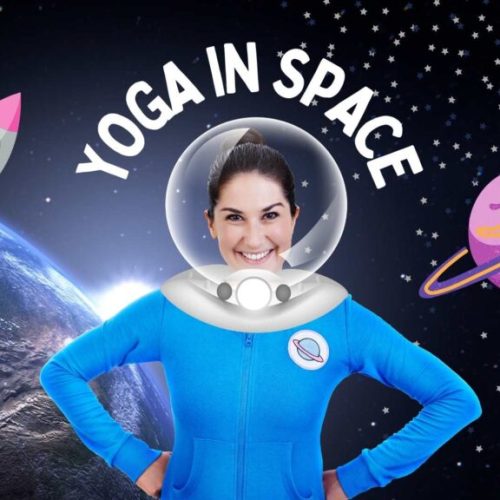
Join ESA astronaut, Samantha Cristoforetti and Jaime from Cosmic Kids on a brand new adventure… Yoga in Space! Follow along …
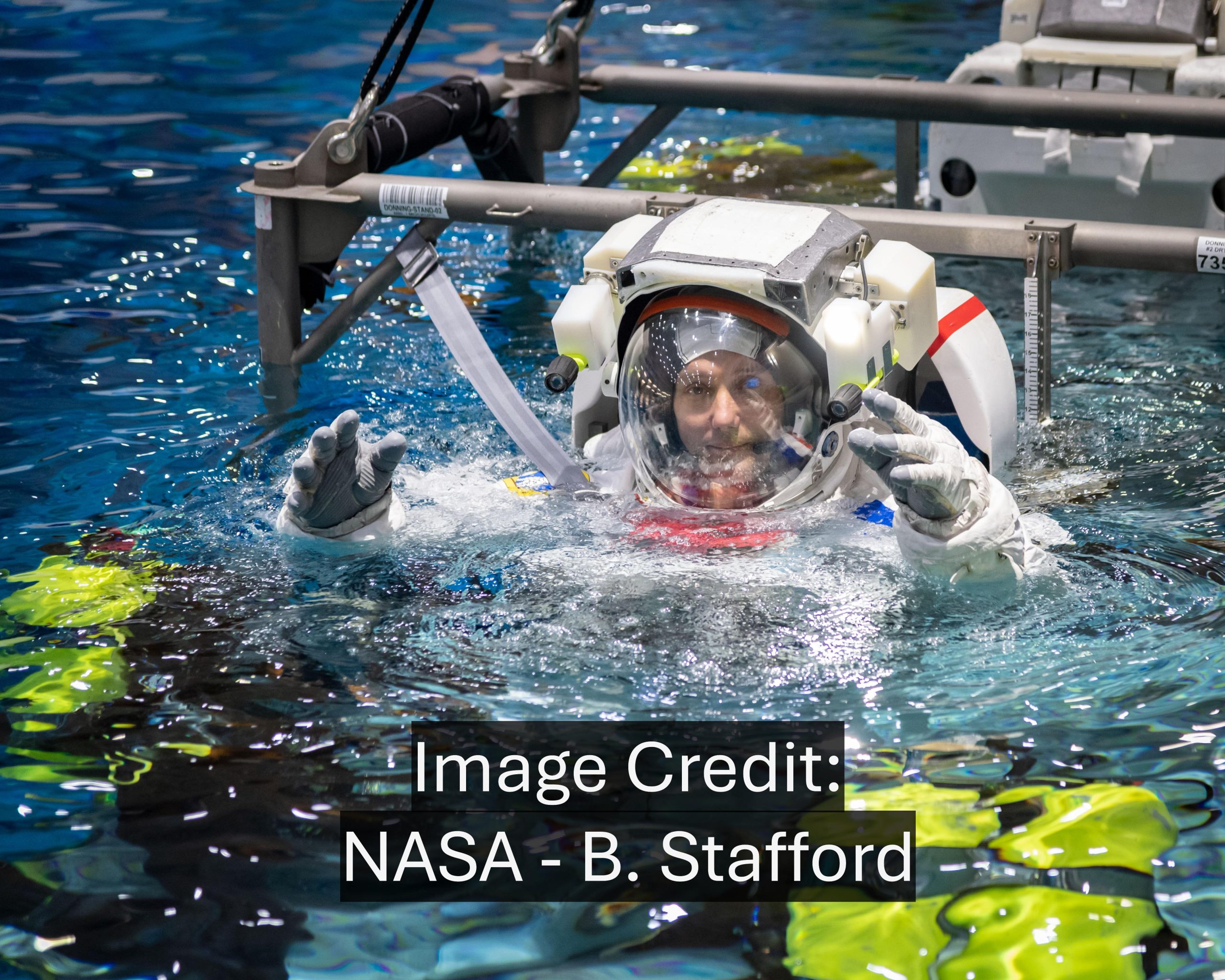
Votre mission: Effectuer un parcours immergé dans l’eau pour préparer pour votre future sortie extravéhiculaire. This resource was created by …