
Water in space
In this lesson, we will search for water in the universe. Water is important because without it, life as we know it would not be possible. We have plenty of liquid water on Earth, but the question is whether this is also the case elsewhere in our solar system.
Observing, Predict, Logical Reasoning
Your mission: Perform a course immersed in water using only your arms to prepare for your future extravehicular activity! This …

Your Mission: Identify which plants are suitable for growing in space as a good source of nutrition for astronauts. Food …
Your Mission: Perform a walk, progressing to 1600m to improve lung, heart, and other muscle endurance. When exploring space, astronauts …
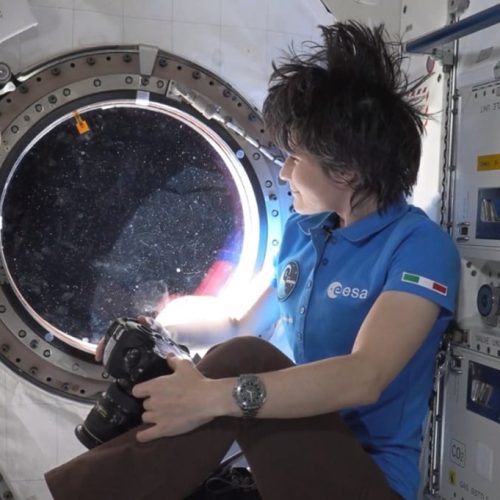
Your Mission: Follow Samantha’s routine on the ISS for one week and compare her daily tasks to yours. Observe your …

Your Mission: Perform a climb training activity on wall bars or a rock wall to improve balance and coordination, and …
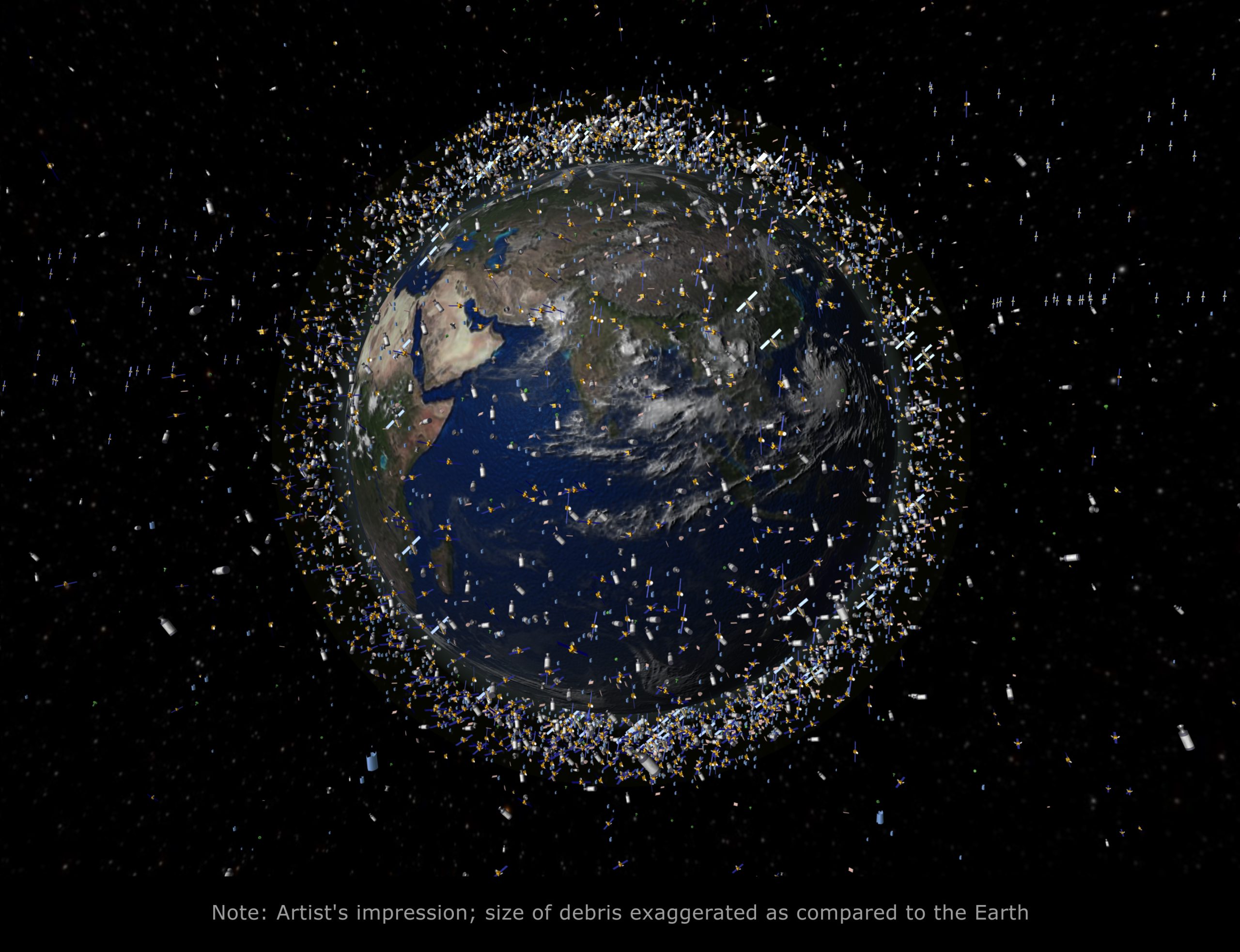
Your mission: Just like astronauts who sometimes have to avoid space debris, you will become aware of human-caused pollution in …

Your Mission: Measure different body parts and explore how these measurements might change in space. How tall are you? Are …
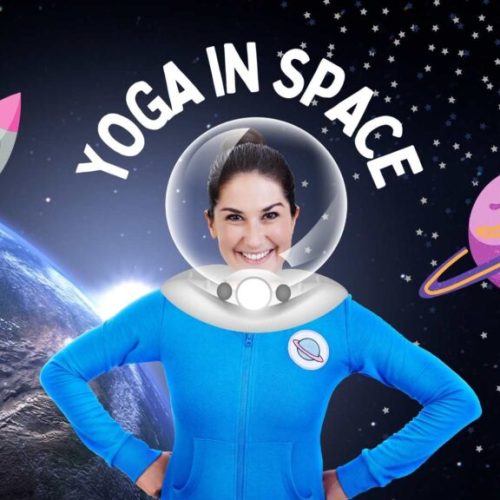
Join ESA astronaut, Samantha Cristoforetti and Jaime from Cosmic Kids on a brand new adventure… Yoga in Space! Follow along …
Astronauts need brains and brawn! Using your coordination, endurance and quick thinking, perform five jumping jacks, with a star-jump finish, …
Venus is the most volcanic planet in our solar system and recent research suggests some of these volcanoes are still …