
Water in space
In this lesson, we will search for water in the universe. Water is important because without it, life as we know it would not be possible. We have plenty of liquid water on Earth, but the question is whether this is also the case elsewhere in our solar system.
Observing, Predict, Logical Reasoning

Your Mission: Carry weighted objects from the Exploration Area back to your Base Station to improve aerobic and anaerobic fitness. …
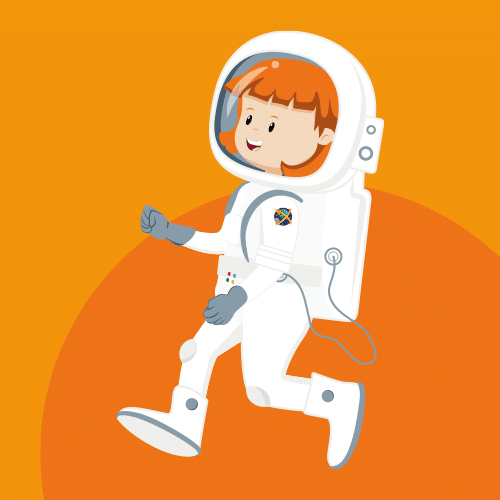
During a spacewalks, astronauts need some serious dexterity and hand-eye coordination to carefully complete tasks, all while wearing bulky gloves …

Your Mission: Perform a reaction time activity using a ruler to practice hand-eye coordination and concentration. In preparation for space …

Your Mission: Observe and compare bones, and design bone models to investigate ways to keep bones healthy. Explorers need strong …

Your Mission: Train with a cycle to improve leg muscles, cardio-vascular fitness and endurance. One exercise device that is regularly …

Your Mission: Perform a series of somersaults on the ground to improve body coordination, flexibility, balance and strengthen your back, …
Time for a brain (and body) twisting game! Using your flexibility and agility, we want to see you navigate your …

Your Mission: Perform an activity that blends together squats, pushups, and jumping in the air (burpees) to promote muscular strength, …
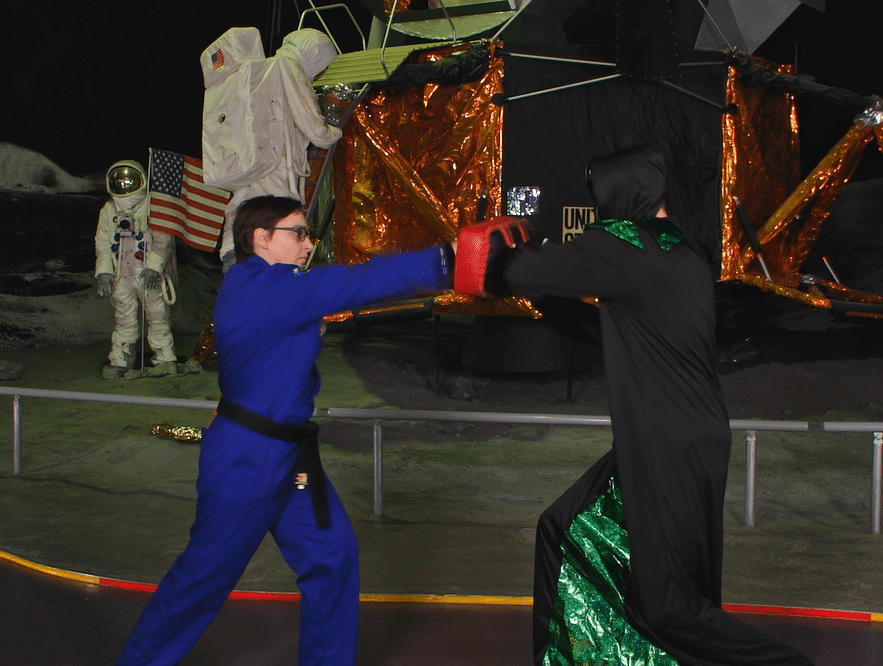
Your mission: Learn the basics of martial arts (karate) to defend yourself against simple attacks and, in case of emergency, …

Your Mission: Complete an agility course as quickly and as accurately as possible to improve agility, coordination and speed. When …