
Taste in Space

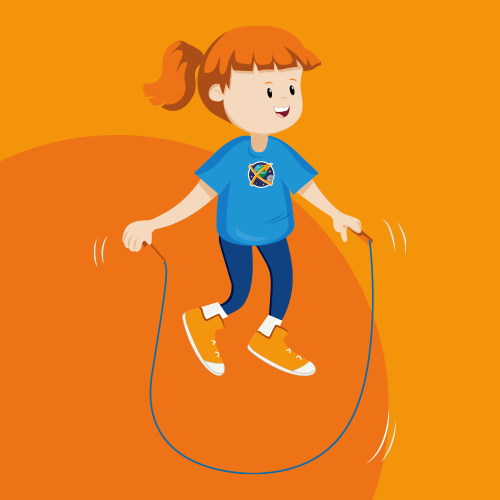
Your Mission: Perform jump training with a rope to improve strength and endurance. On Earth, humans experience the effects of …
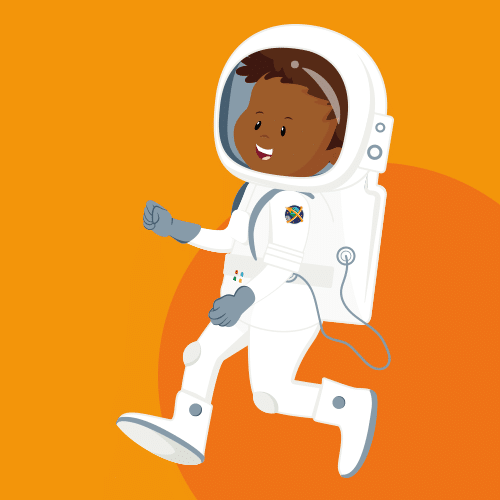
Astronauts need brains and brawn! Using your coordination, endurance and quick thinking, perform five jumping jacks, with a star-jump finish, …

Your Mission: Design and build a robotic arm to perform some simple tasks. To help out in space, scientists have …

Your Mission: Discover the fat content of a meal and formulate a balanced meal using fat content information. As astronauts …
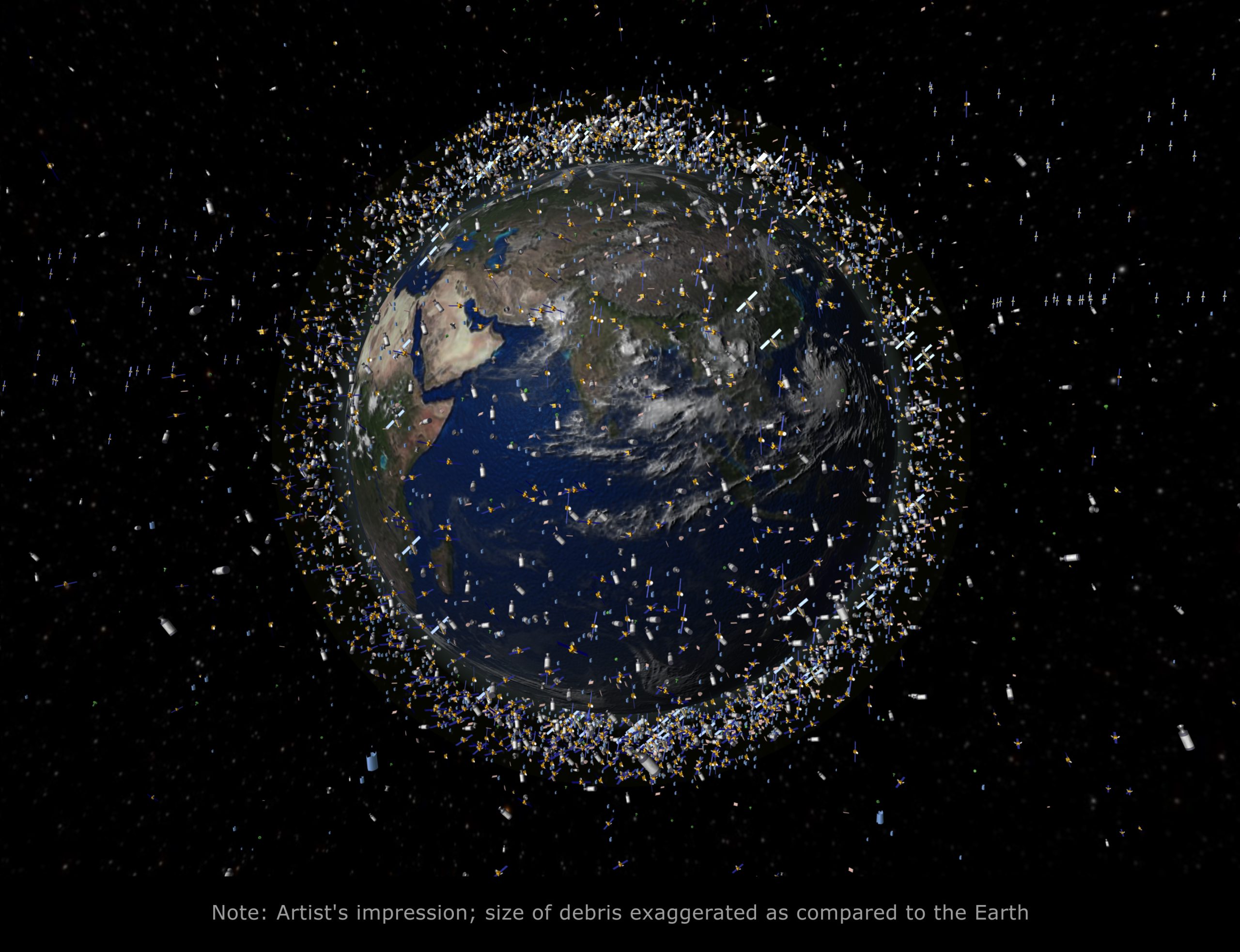
Your mission: Just like astronauts who sometimes have to avoid space debris, you will become aware of human-caused pollution in …
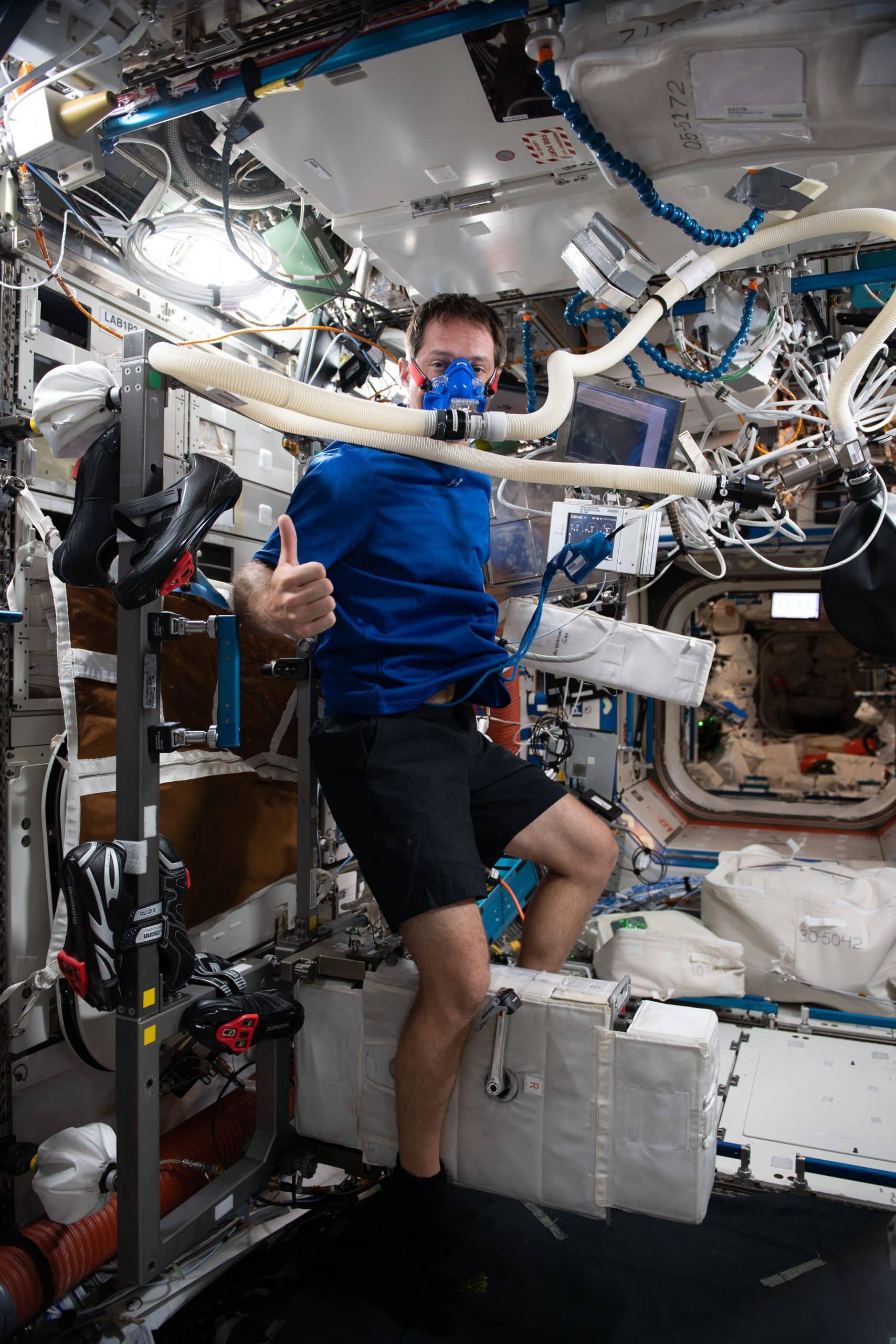
Your mission: Finish the race as quickly as possible using your team spirit! This resource was created by CNES, ESERO …
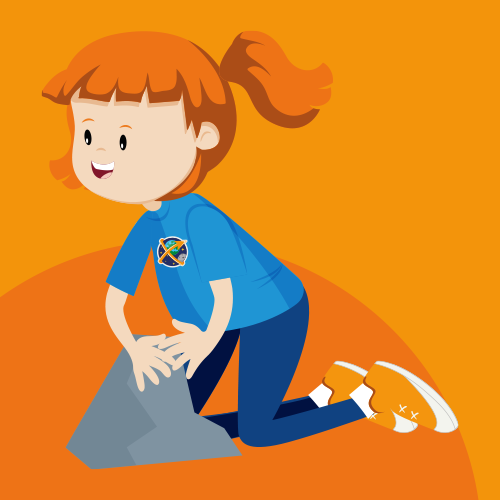
Your Mission: Carry weighted objects from the Exploration Area back to your Base Station to improve aerobic and anaerobic fitness. …
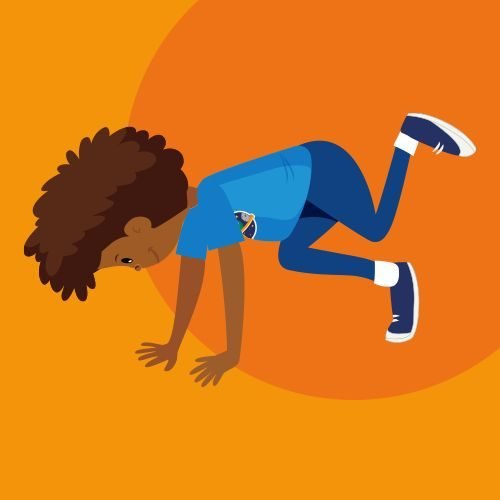
Your Mission: Perform a series of somersaults on the ground to improve body coordination, flexibility, balance and strengthen your back, …
Your MissionAccumulate a total of 42 km (26.2 mi) as a team, an individual or as a family… it is …
Time for a brain (and body) twisting game! Using your flexibility and agility, we want to see you navigate your …