
Bionic Hand

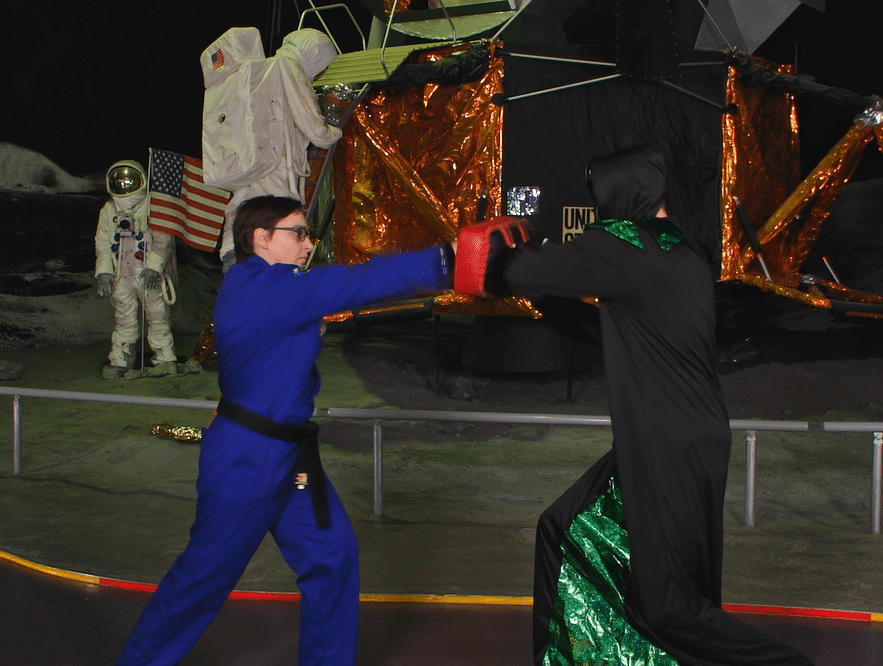
Your mission: Learn the basics of martial arts (karate) to defend yourself against simple attacks and, in case of emergency, …
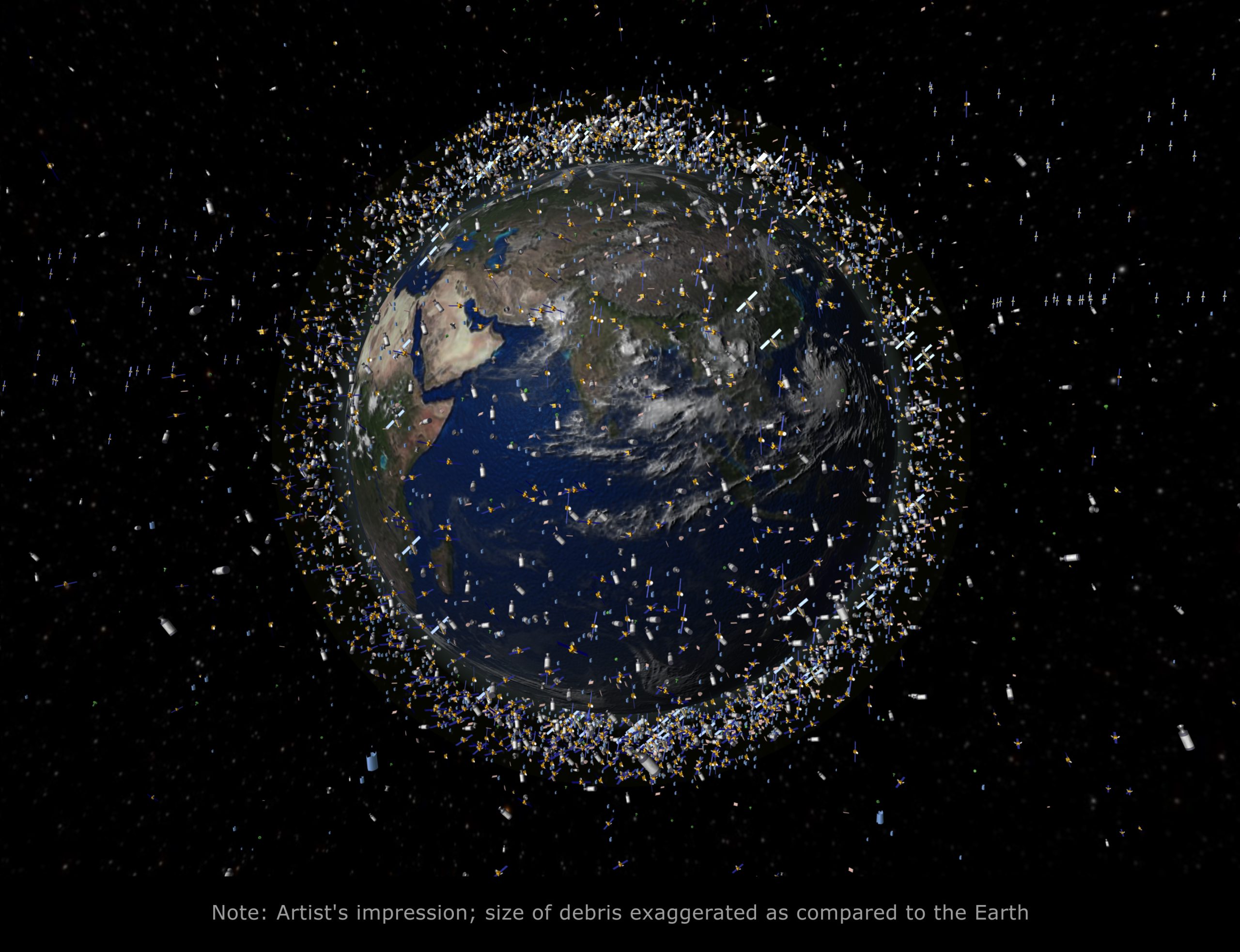
Your mission: Just like astronauts who sometimes have to avoid space debris, you will become aware of human-caused pollution in …
Your Mission: Carry weighted objects from the Exploration Area back to your Base Station to improve aerobic and anaerobic fitness. …
Your Mission Playing sports requires teamwork and preparation. Teammates must work together. In space, astronauts also must react to new …
Your Mission: Assemble a puzzle quickly and correctly to understand the importance of dexterity and hand-eye coordination. When working with …
During a spacewalks, astronauts need some serious dexterity and hand-eye coordination to carefully complete tasks, all while wearing bulky gloves …

Your Mission: Sample, grow, and investigate the micro-organisms around us and research their relationship with many of the products we …
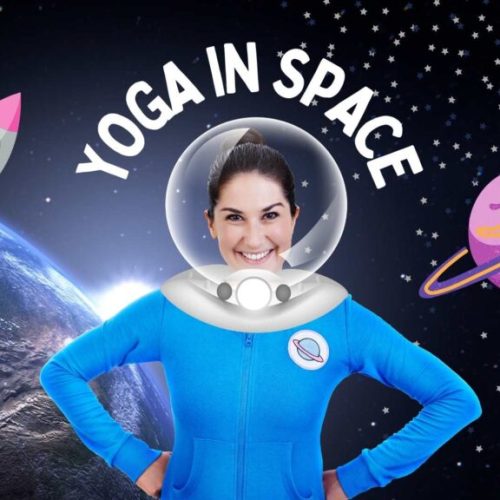
Join ESA astronaut, Samantha Cristoforetti and Jaime from Cosmic Kids on a brand new adventure… Yoga in Space! Follow along …

Your Mission: Measure different body parts and explore how these measurements might change in space. How tall are you? Are …

Your Mission: Observe and compare bones, and design bone models to investigate ways to keep bones healthy. Explorers need strong …
Tag:Human Body, Problem-solving, Science