
Water in space
In this lesson, we will search for water in the universe. Water is important because without it, life as we know it would not be possible. We have plenty of liquid water on Earth, but the question is whether this is also the case elsewhere in our solar system.
Observing, Predict, Logical Reasoning

Your Mission: Follow the development of three plants for 12 weeks to explore germination and plant growth. If astronauts are …

Your Mission: Explore the anatomy of the hand and build a bionic hand from cardboard. In a near future, it …

Your Mission: Perform jump training with a rope to improve strength and endurance. On Earth, humans experience the effects of …

Your Mission: Observe and compare bones, and design bone models to investigate ways to keep bones healthy. Explorers need strong …

Your Mission: Discover the fat content of a meal and formulate a balanced meal using fat content information. As astronauts …
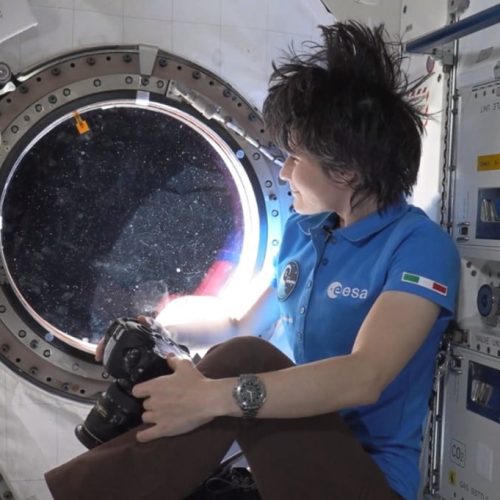
Your Mission: Follow Samantha’s routine on the ISS for one week and compare her daily tasks to yours. Observe your …
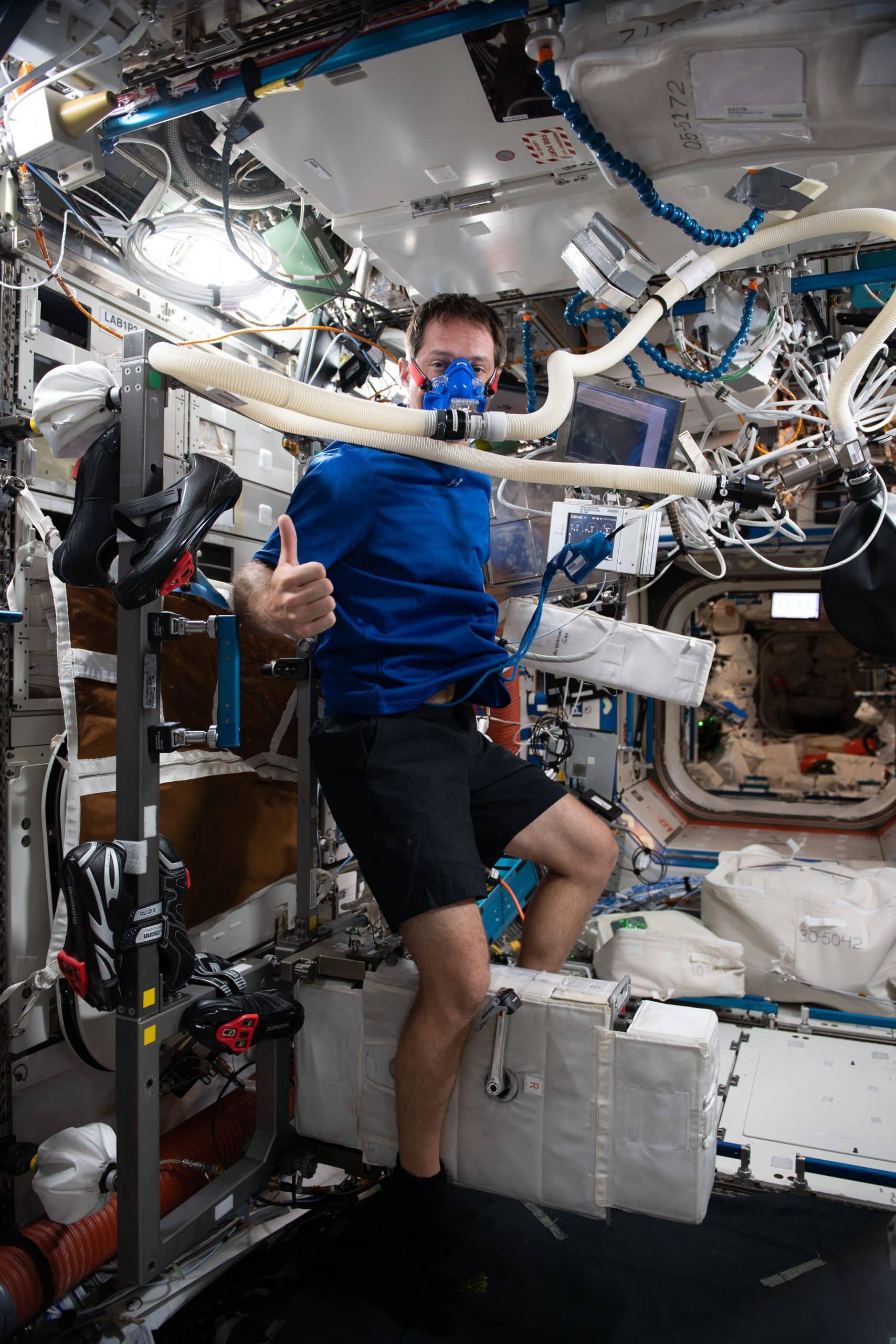
Your mission: Finish the race as quickly as possible using your team spirit! This resource was created by CNES, ESERO …

Your Mission: Perform an exercise with balls of different weights, as if you were in different gravitational conditions, to strengthen …

Your Mission: Design and build a robotic arm to perform some simple tasks. To help out in space, scientists have …
Your MissionAccumulate a total of 42 km (26.2 mi) as a team, an individual or as a family… it is …