
Water in space
In this lesson, we will search for water in the universe. Water is important because without it, life as we know it would not be possible. We have plenty of liquid water on Earth, but the question is whether this is also the case elsewhere in our solar system.
Observing, Predict, Logical Reasoning

Your Mission: Perform an exercise with balls of different weights, as if you were in different gravitational conditions, to strengthen …

Your Mission: Investigate healthy food choices and Calorie needs for life on earth vs. life in space Astronauts living on …

Your Mission: Follow the development of three plants for 12 weeks to explore germination and plant growth. If astronauts are …
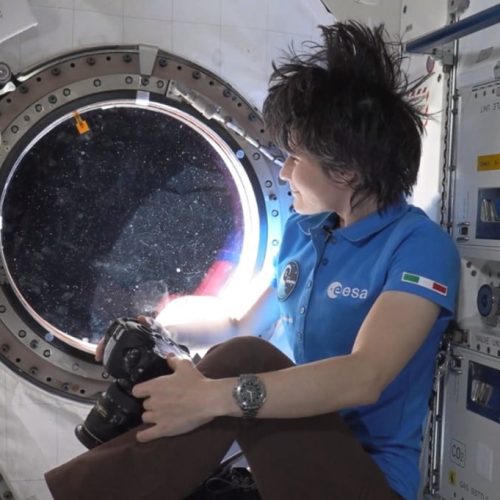
Your Mission: Follow Samantha’s routine on the ISS for one week and compare her daily tasks to yours. Observe your …

Your Mission: Design and build a robotic arm to perform some simple tasks. To help out in space, scientists have …
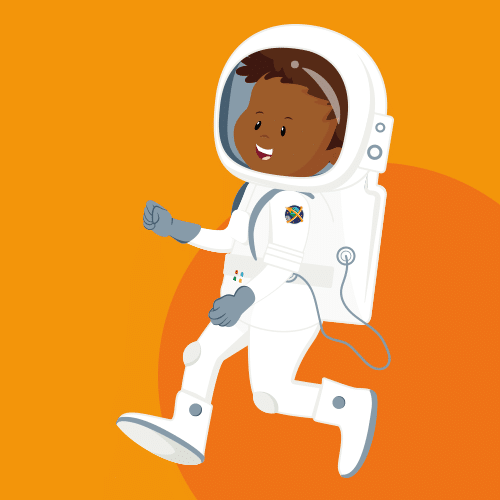
Did you know that jumping might be a key activity in keeping astronauts healthy in space? Try some jump rope …
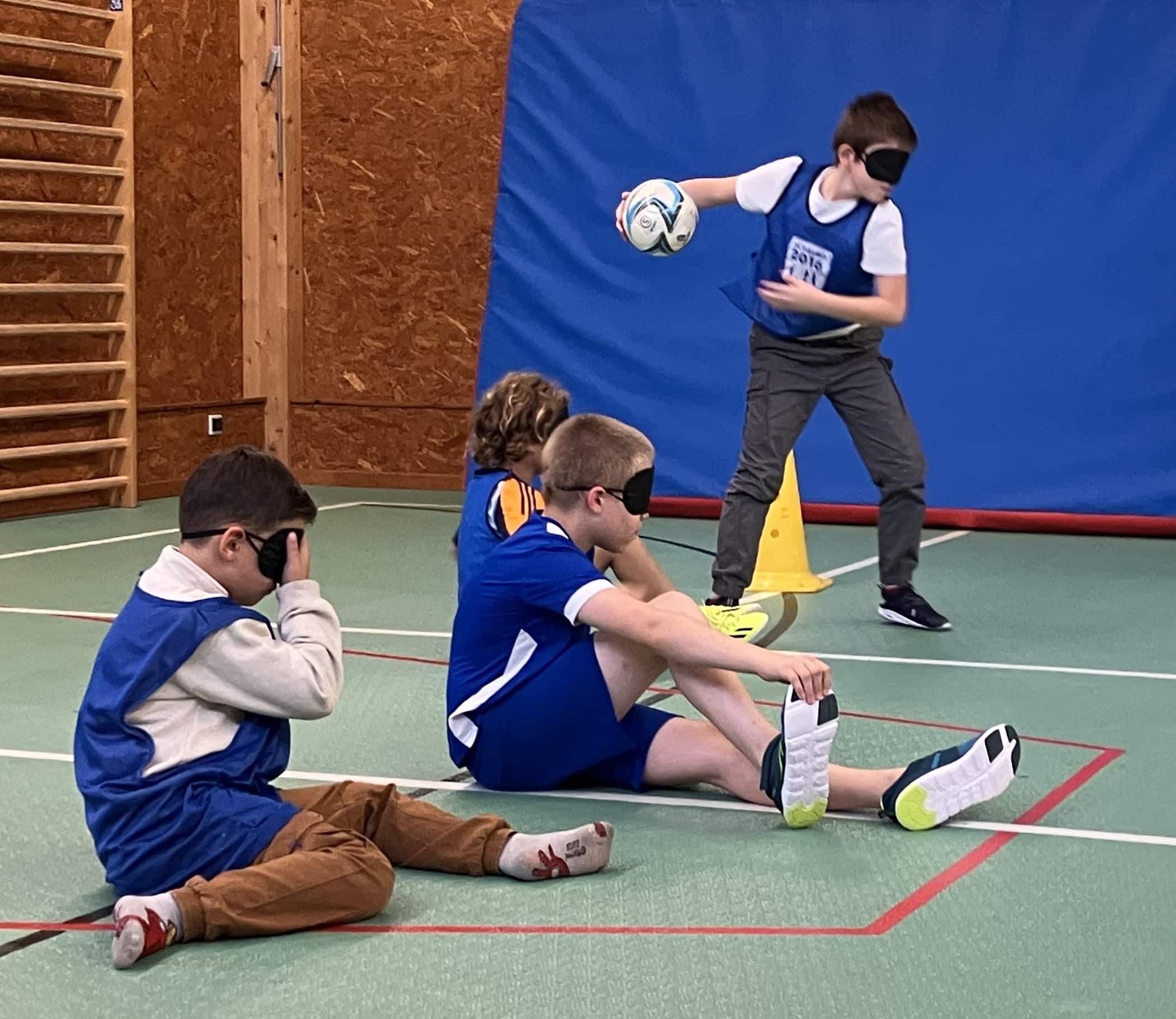
Your mission: Sharpen your senses to score the most goals and develop your reflexes. This resource was created by CNES, …
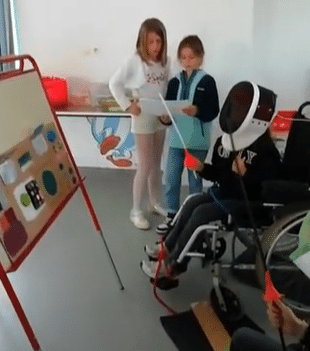
Votre mission: Résistez à la gravité pour marquer le plus de points possible. This resource was created by CNES, ESERO …
Venus is the most volcanic planet in our solar system and recent research suggests some of these volcanoes are still …
Let’s HIIT the space gym and get ready to sweat! To keep those hearts and lungs healthy, perform a series …