
Water in space
In this lesson, we will search for water in the universe. Water is important because without it, life as we know it would not be possible. We have plenty of liquid water on Earth, but the question is whether this is also the case elsewhere in our solar system.
Observing, Predict, Logical Reasoning

Your Mission: Carry weighted objects from the Exploration Area back to your Base Station to improve aerobic and anaerobic fitness. …

Your Mission: Perform an exercise with balls of different weights, as if you were in different gravitational conditions, to strengthen …

Your Mission: Design and build a robotic arm to perform some simple tasks. To help out in space, scientists have …

Your Mission: Perform jump training with a rope to improve strength and endurance. On Earth, humans experience the effects of …
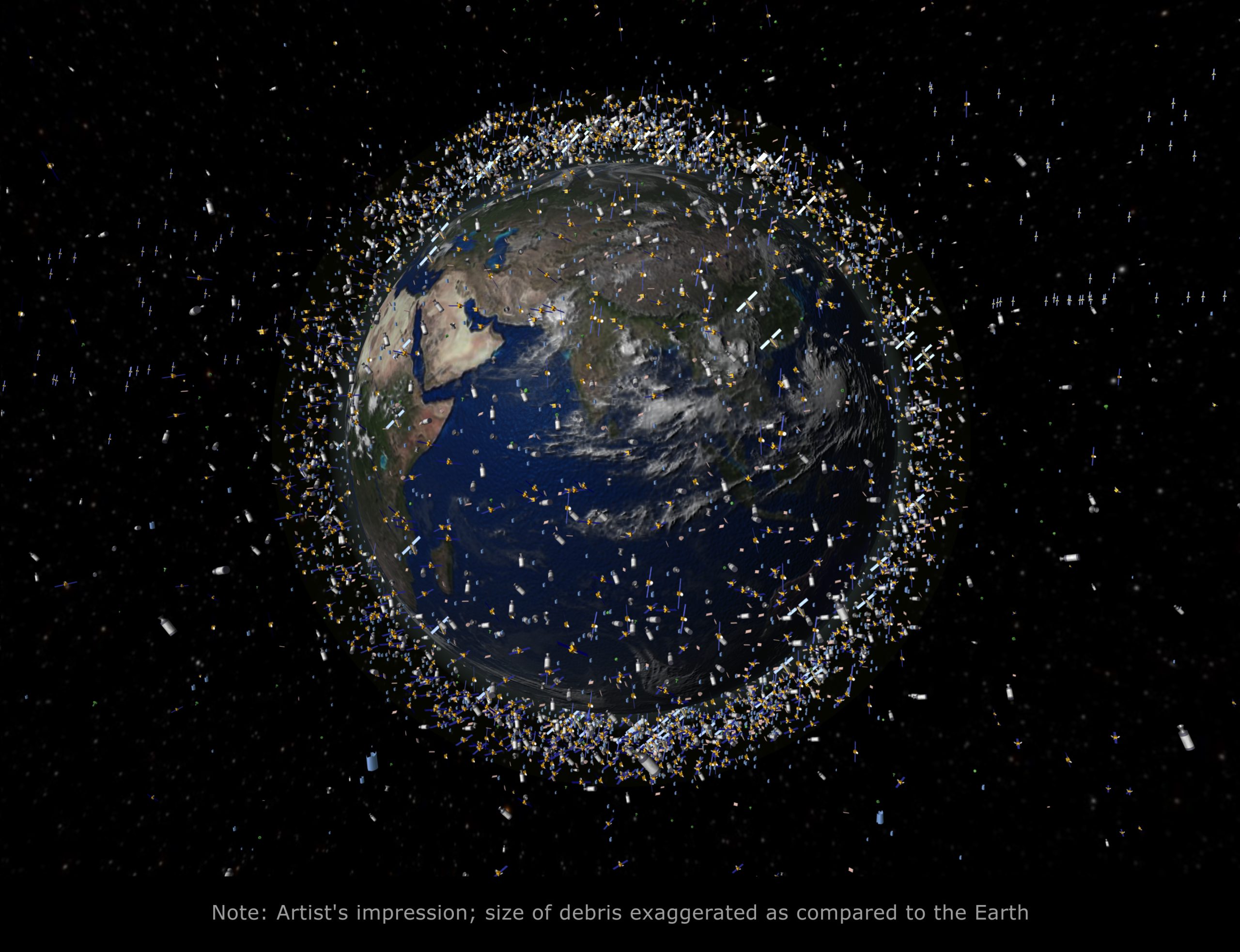
Your mission: Just like astronauts who sometimes have to avoid space debris, you will become aware of human-caused pollution in …

Your Mission: Measure different body parts and explore how these measurements might change in space. How tall are you? Are …
Your MissionAccumulate a total of 42 km (26.2 mi) as a team, an individual or as a family… it is …

Your Mission: Perform throwing and catching techniques on one foot to improve balance and spatial awareness. On Earth, we use …
Did you know that jumping might be a key activity in keeping astronauts healthy in space? Try some jump rope …

Your Mission: Discover the fat content of a meal and formulate a balanced meal using fat content information. As astronauts …