
Water in space
In this lesson, we will search for water in the universe. Water is important because without it, life as we know it would not be possible. We have plenty of liquid water on Earth, but the question is whether this is also the case elsewhere in our solar system.
Observing, Predict, Logical Reasoning

Your Mission: Observe and compare bones, and design bone models to investigate ways to keep bones healthy. Explorers need strong …

Your Mission: Design and build a robotic arm to perform some simple tasks. To help out in space, scientists have …

Your Mission: Perform throwing and catching techniques on one foot to improve balance and spatial awareness. On Earth, we use …

Your Mission: Perform a walk, progressing to 1600m to improve lung, heart, and other muscle endurance. When exploring space, astronauts …
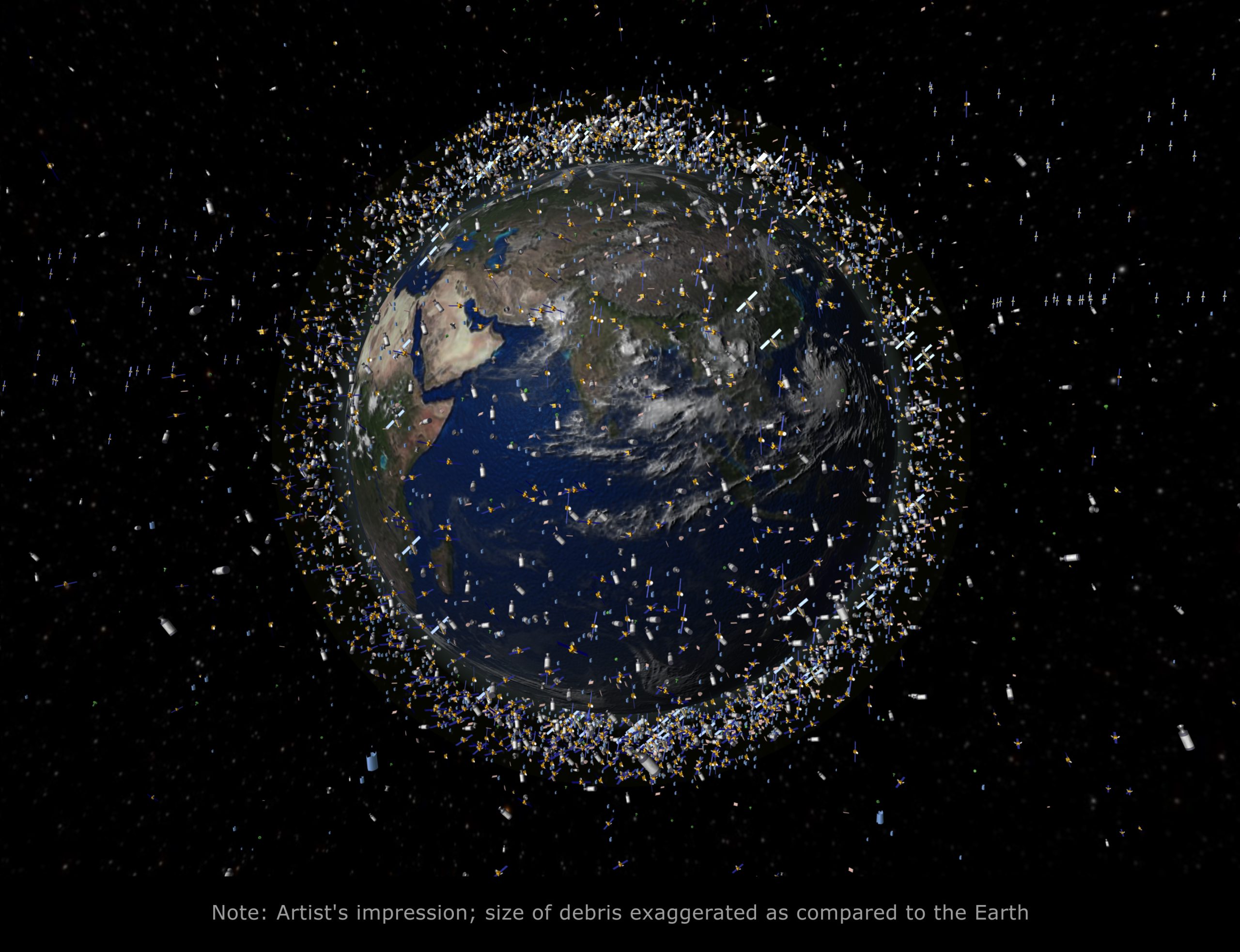
Your mission: Just like astronauts who sometimes have to avoid space debris, you will become aware of human-caused pollution in …
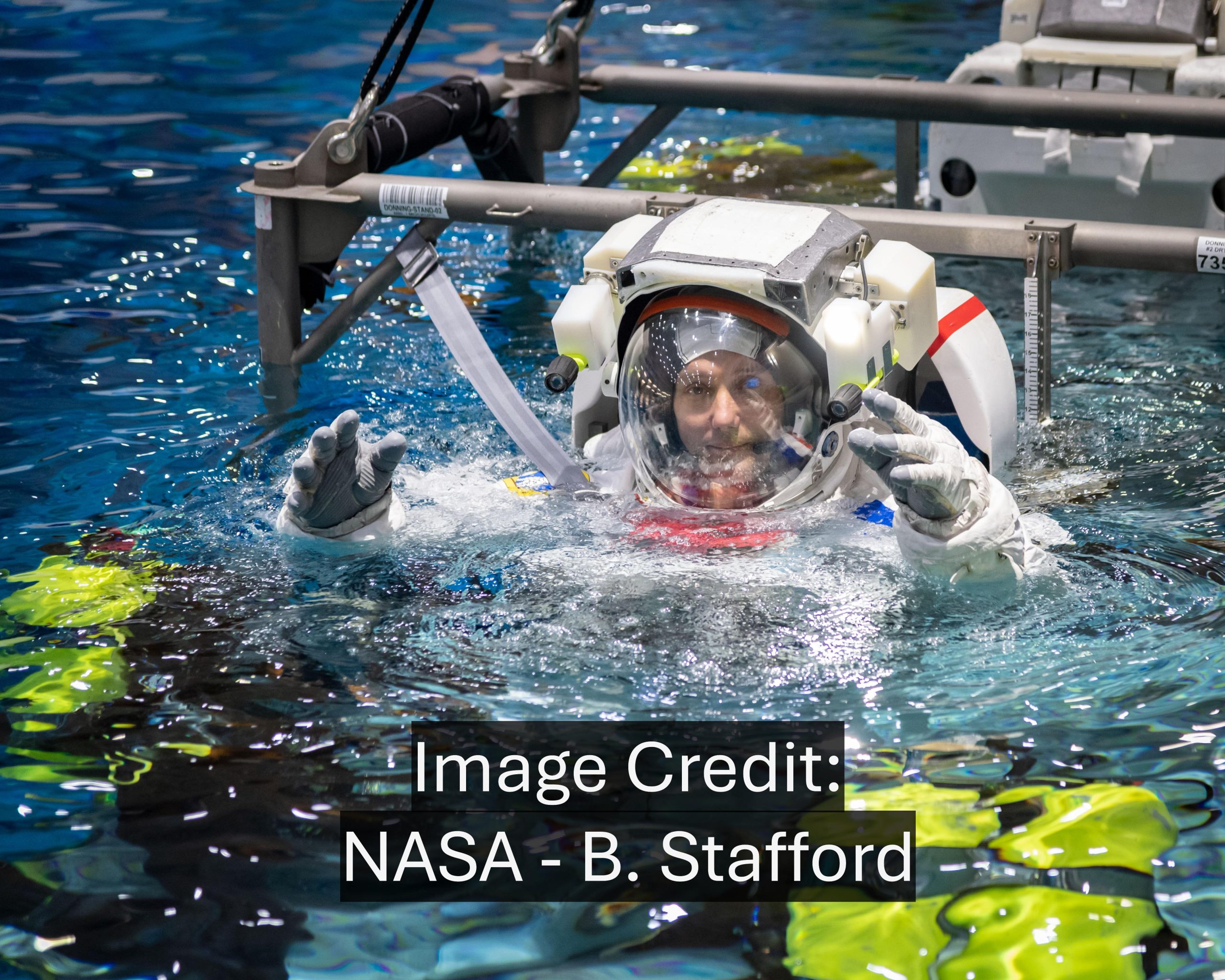
Votre mission: Effectuer un parcours immergé dans l’eau pour préparer pour votre future sortie extravéhiculaire. This resource was created by …

Your Mission: Investigate which factors affect plant growth, and relate these factors to growing plants in space. All the things …
Let’s HIIT the space gym and get ready to sweat! To keep those hearts and lungs healthy, perform a series …

Your Mission: Perform a reaction time activity using a ruler to practice hand-eye coordination and concentration. In preparation for space …

Your Mission: Measure different body parts and explore how these measurements might change in space. How tall are you? Are …