
Water in space
In this lesson, we will search for water in the universe. Water is important because without it, life as we know it would not be possible. We have plenty of liquid water on Earth, but the question is whether this is also the case elsewhere in our solar system.
Observing, Predict, Logical Reasoning

Your Mission: Perform an activity that blends together squats, pushups, and jumping in the air (burpees) to promote muscular strength, …
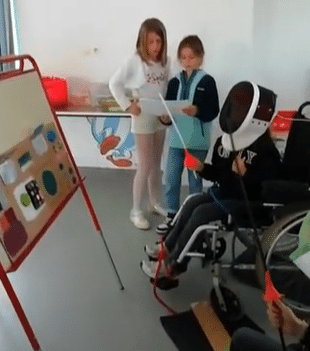
Votre mission: Résistez à la gravité pour marquer le plus de points possible. This resource was created by CNES, ESERO …

Your Mission: Measure different body parts and explore how these measurements might change in space. How tall are you? Are …

Your Mission: Follow the development of three plants for 12 weeks to explore germination and plant growth. If astronauts are …
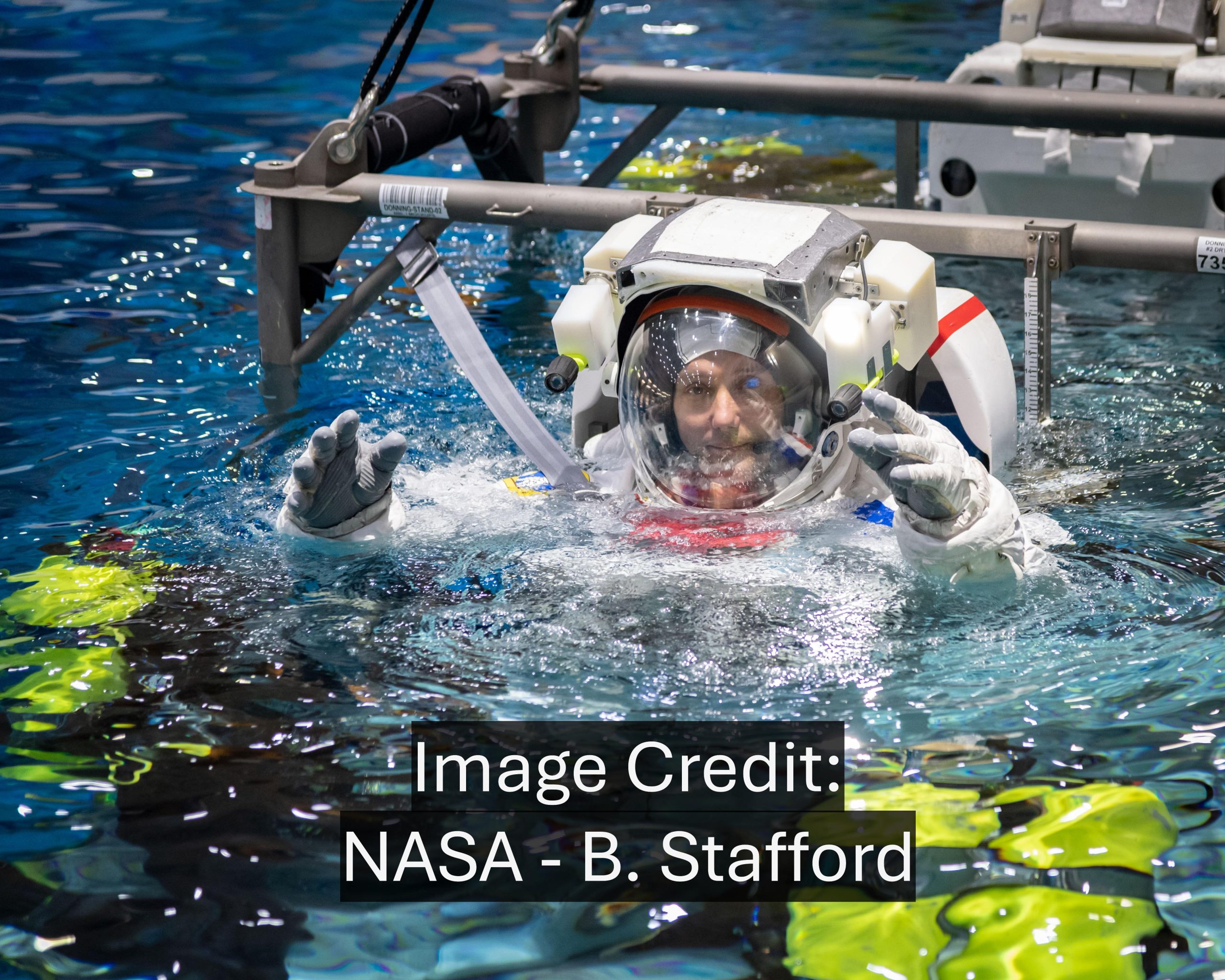
Votre mission: Effectuer un parcours immergé dans l’eau pour préparer pour votre future sortie extravéhiculaire. This resource was created by …
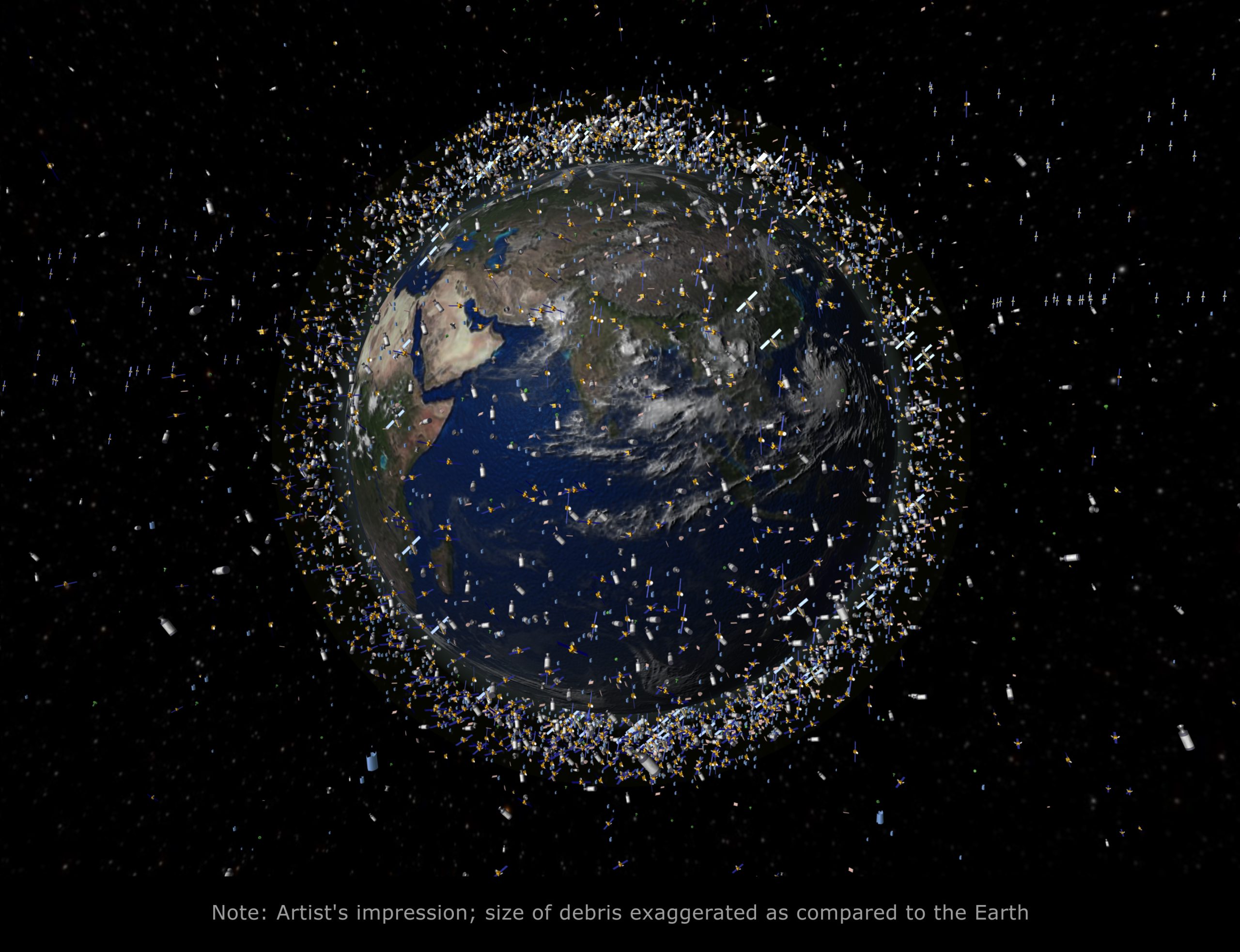
Your mission: Just like astronauts who sometimes have to avoid space debris, you will become aware of human-caused pollution in …

Your Mission: Perform an exercise with balls of different weights, as if you were in different gravitational conditions, to strengthen …

Your Mission: Identify which plants are suitable for growing in space as a good source of nutrition for astronauts. Food …

Your Mission: Perform a climb training activity on wall bars or a rock wall to improve balance and coordination, and …

Your Mission: Assemble a puzzle quickly and correctly to understand the importance of dexterity and hand-eye coordination. When working with …