
Water in space
In this lesson, we will search for water in the universe. Water is important because without it, life as we know it would not be possible. We have plenty of liquid water on Earth, but the question is whether this is also the case elsewhere in our solar system.
Observing, Predict, Logical Reasoning

Your Mission: Explore the importance of hydration and identify the signs of dehydration. Since our bodies are made up of …

Your Mission: Perform body-weight squats and push-ups to develop upper and lower body strength in muscles and bones. Astronauts must …
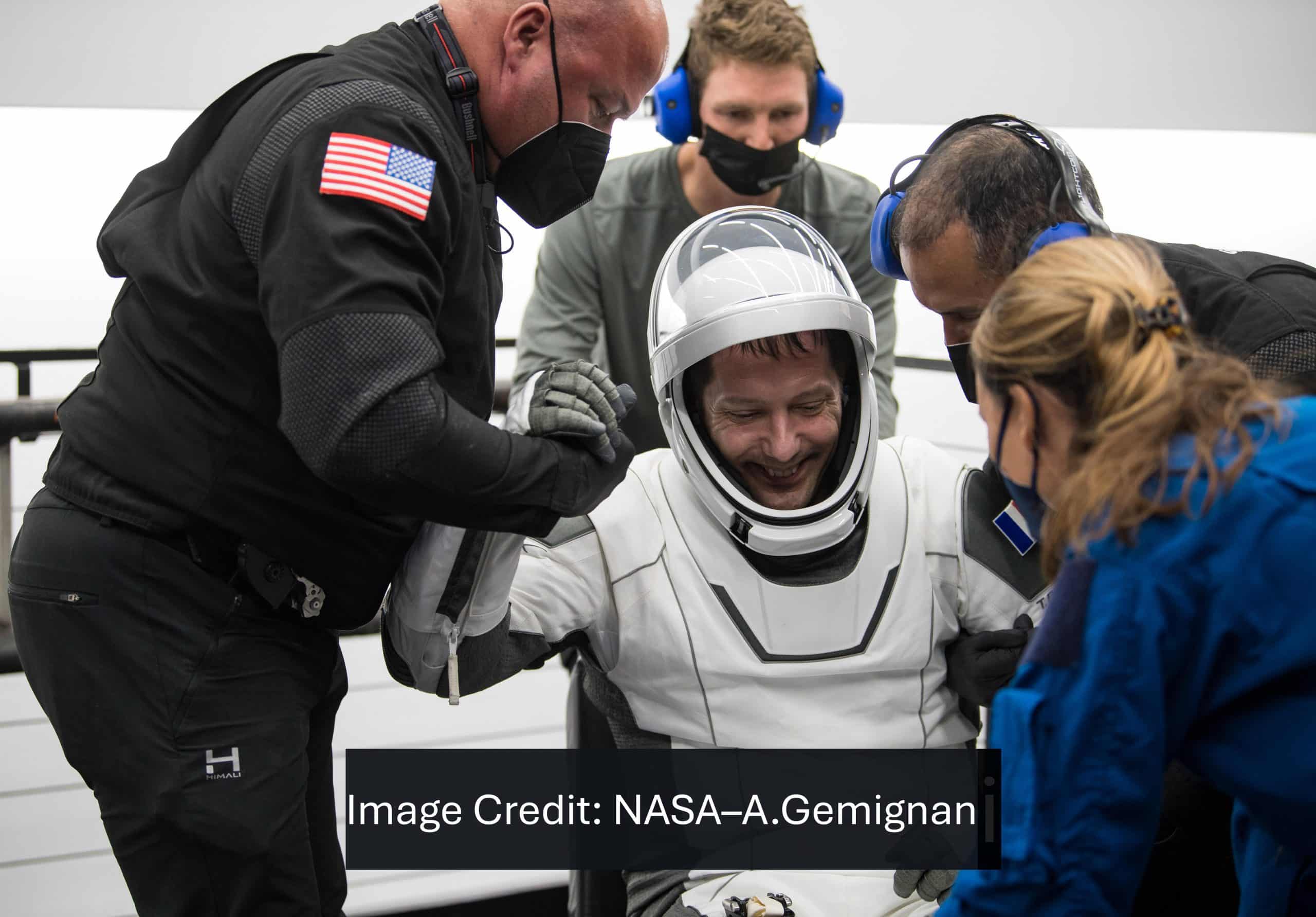
Your mission: Complete an obstacle course in a wheelchair to develop your coordination and endurance. This resource was created by …

Your Mission: Perform an activity that blends together squats, pushups, and jumping in the air (burpees) to promote muscular strength, …
Venus is the most volcanic planet in our solar system and recent research suggests some of these volcanoes are still …

Your Mission: Design and build a robotic arm to perform some simple tasks. To help out in space, scientists have …
You have just had a great day of exploring the Moon, but it’s time to head back to the base …

Your Mission: Perform a series of somersaults on the ground to improve body coordination, flexibility, balance and strengthen your back, …
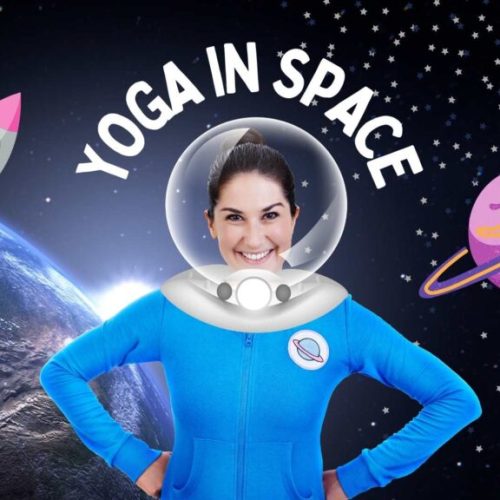
Join ESA astronaut, Samantha Cristoforetti and Jaime from Cosmic Kids on a brand new adventure… Yoga in Space! Follow along …
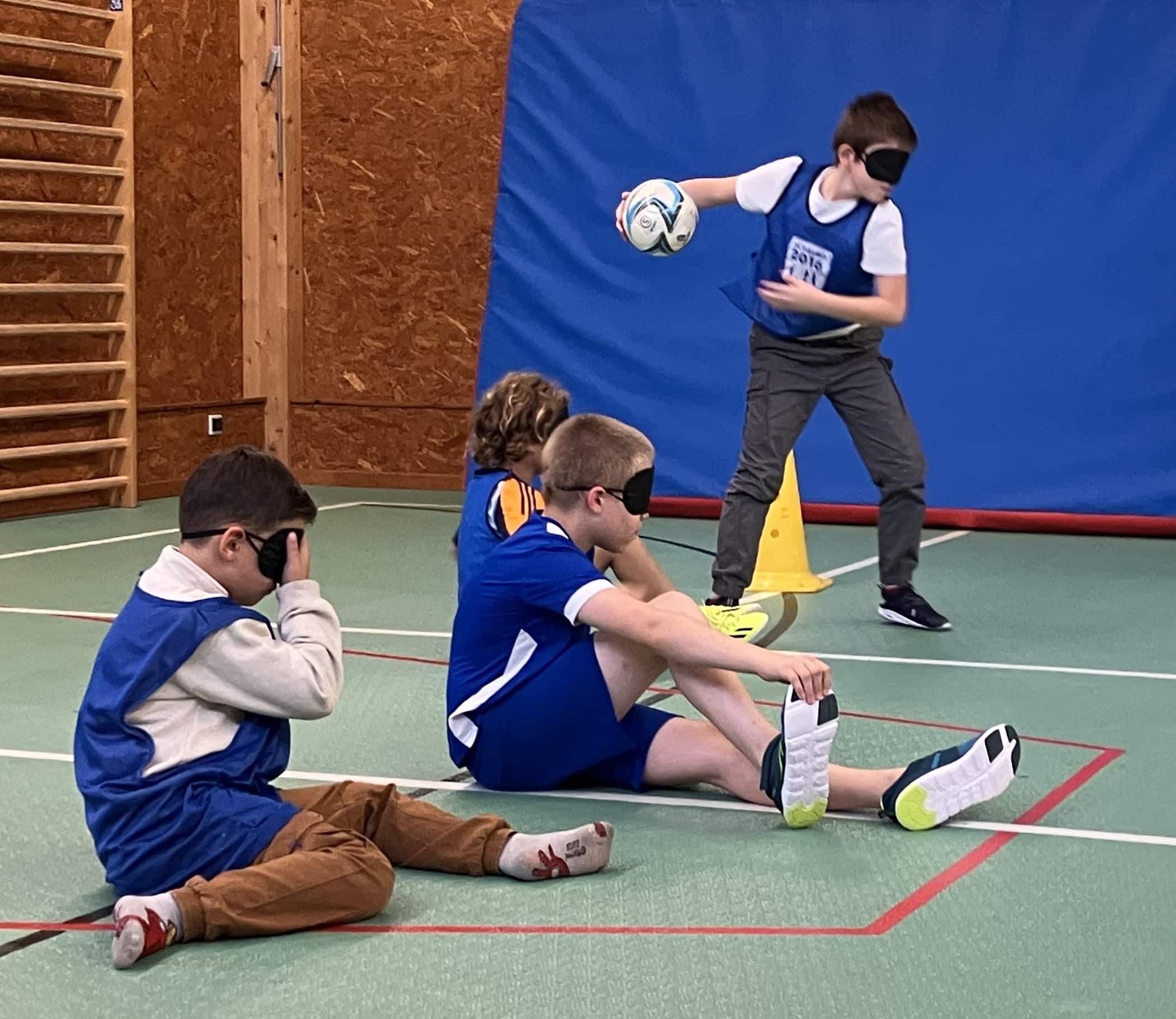
Your mission: Sharpen your senses to score the most goals and develop your reflexes. This resource was created by CNES, …