
Water in space
In this lesson, we will search for water in the universe. Water is important because without it, life as we know it would not be possible. We have plenty of liquid water on Earth, but the question is whether this is also the case elsewhere in our solar system.
Observing, Predict, Logical Reasoning
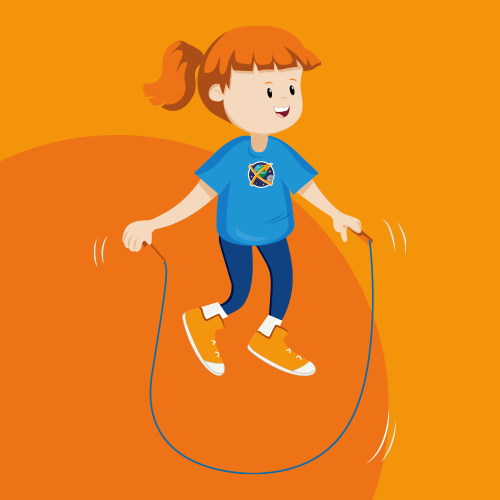
Your Mission: Perform jump training with a rope to improve strength and endurance. On Earth, humans experience the effects of …

Your Mission: Identify which plants are suitable for growing in space as a good source of nutrition for astronauts. Food …

Your Mission: Perform a reaction time activity using a ruler to practice hand-eye coordination and concentration. In preparation for space …

Your Mission: Perform body-weight squats and push-ups to develop upper and lower body strength in muscles and bones. Astronauts must …
Venus is the most volcanic planet in our solar system and recent research suggests some of these volcanoes are still …
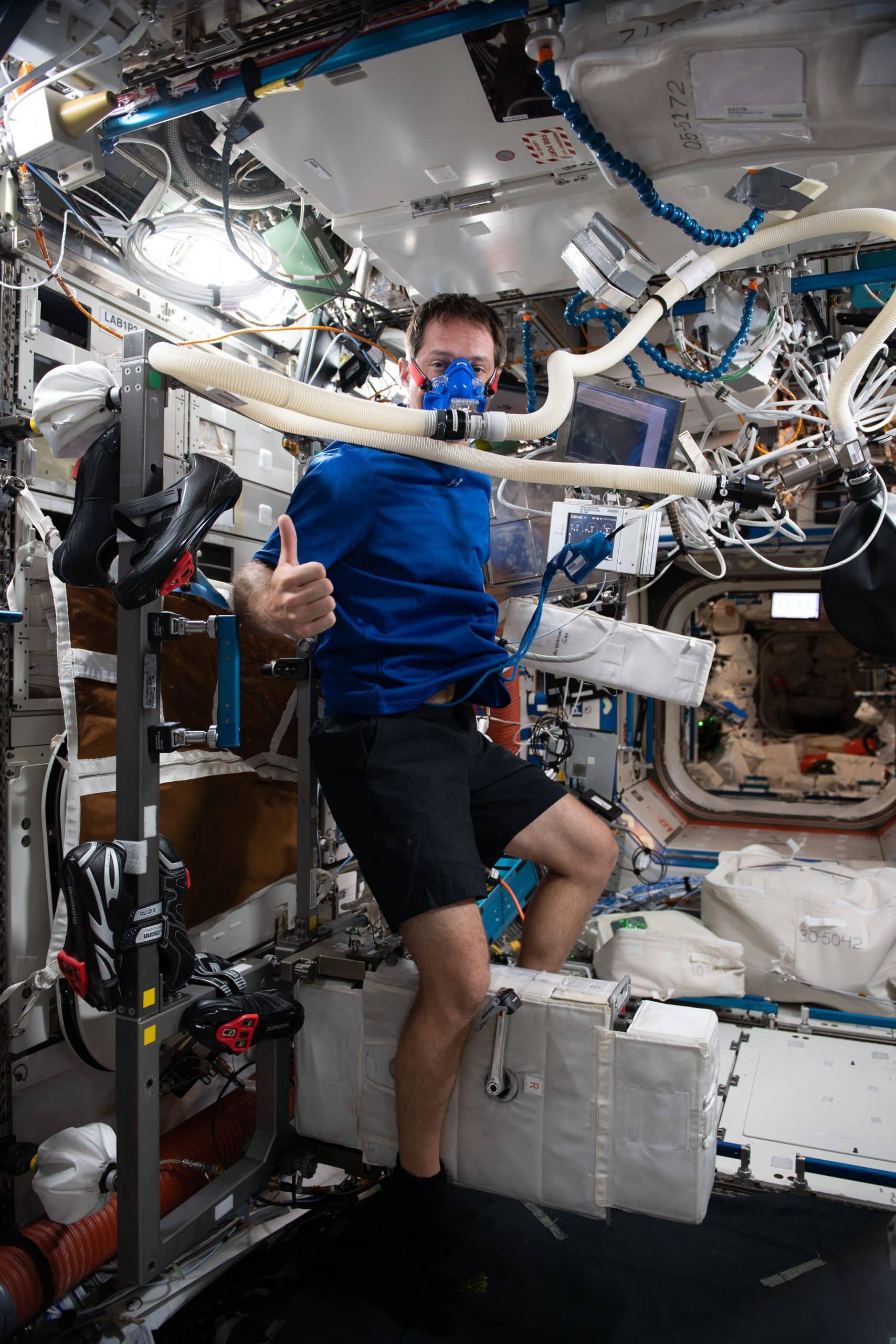
Your mission: Finish the race as quickly as possible using your team spirit! This resource was created by CNES, ESERO …
Did you know that jumping might be a key activity in keeping astronauts healthy in space? Try some jump rope …

Your Mission: Sample, grow, and investigate the micro-organisms around us and research their relationship with many of the products we …
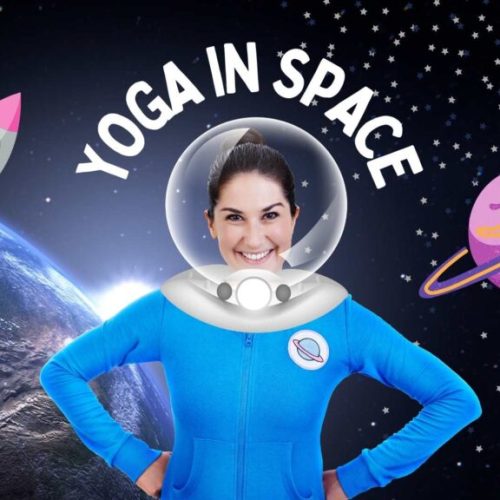
Join ESA astronaut, Samantha Cristoforetti and Jaime from Cosmic Kids on a brand new adventure… Yoga in Space! Follow along …

Your Mission: Design and build a robotic arm to perform some simple tasks. To help out in space, scientists have …