
Water in space
In this lesson, we will search for water in the universe. Water is important because without it, life as we know it would not be possible. We have plenty of liquid water on Earth, but the question is whether this is also the case elsewhere in our solar system.
Observing, Predict, Logical Reasoning
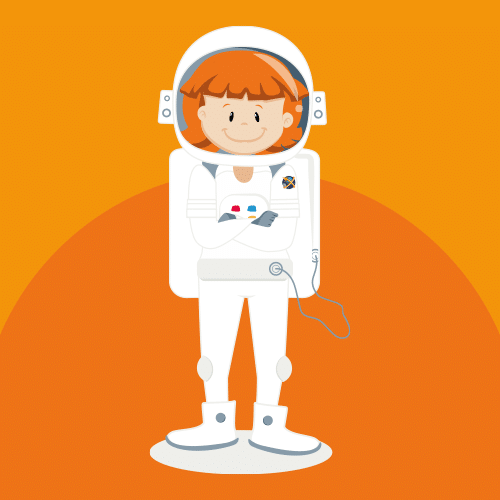
You have just had a great day of exploring the Moon, but it’s time to head back to the base …

Your Mission: Perform body-weight squats and push-ups to develop upper and lower body strength in muscles and bones. Astronauts must …

Your Mission: Investigate healthy food choices and Calorie needs for life on earth vs. life in space Astronauts living on …
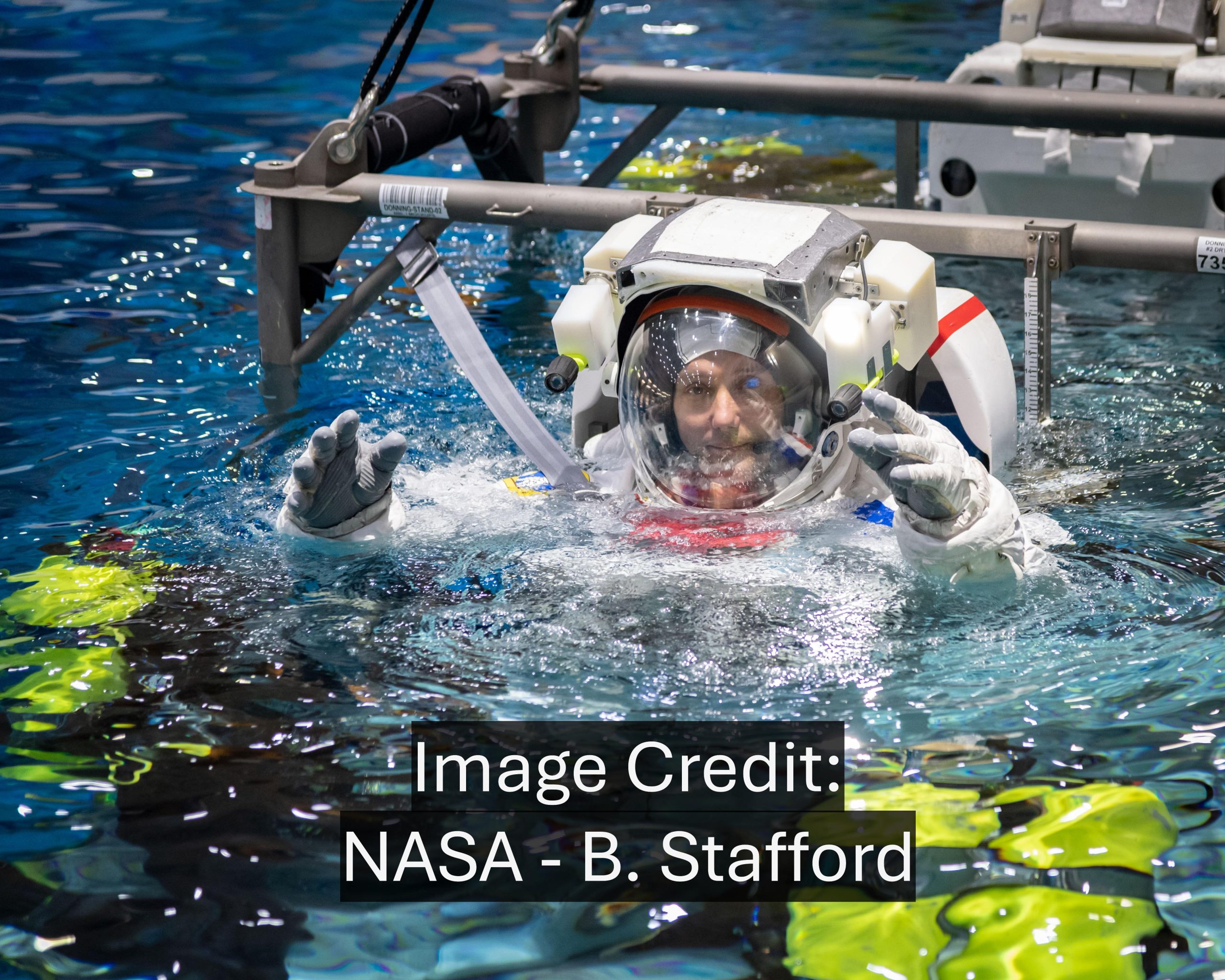
Votre mission: Effectuer un parcours immergé dans l’eau pour préparer pour votre future sortie extravéhiculaire. This resource was created by …

Your Mission: Identify which plants are suitable for growing in space as a good source of nutrition for astronauts. Food …

Your Mission: Perform a climb training activity on wall bars or a rock wall to improve balance and coordination, and …
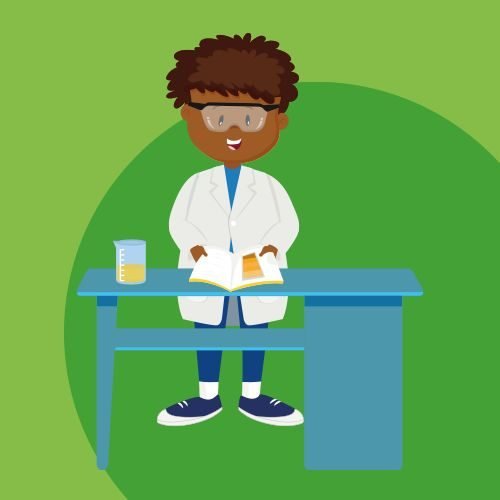
Your Mission: Explore the importance of hydration and identify the signs of dehydration. Since our bodies are made up of …

Your Mission: Design and build a robotic arm to perform some simple tasks. To help out in space, scientists have …

Your Mission: Perform throwing and catching techniques on one foot to improve balance and spatial awareness. On Earth, we use …

Your mission: Crate your own craters! This resource was created by Space Expo in collaboration with NSO, The Netherlands 2026 …