
Water in space
In this lesson, we will search for water in the universe. Water is important because without it, life as we know it would not be possible. We have plenty of liquid water on Earth, but the question is whether this is also the case elsewhere in our solar system.
Observing, Predict, Logical Reasoning
Your Mission: Perform an exercise with balls of different weights, as if you were in different gravitational conditions, to strengthen …
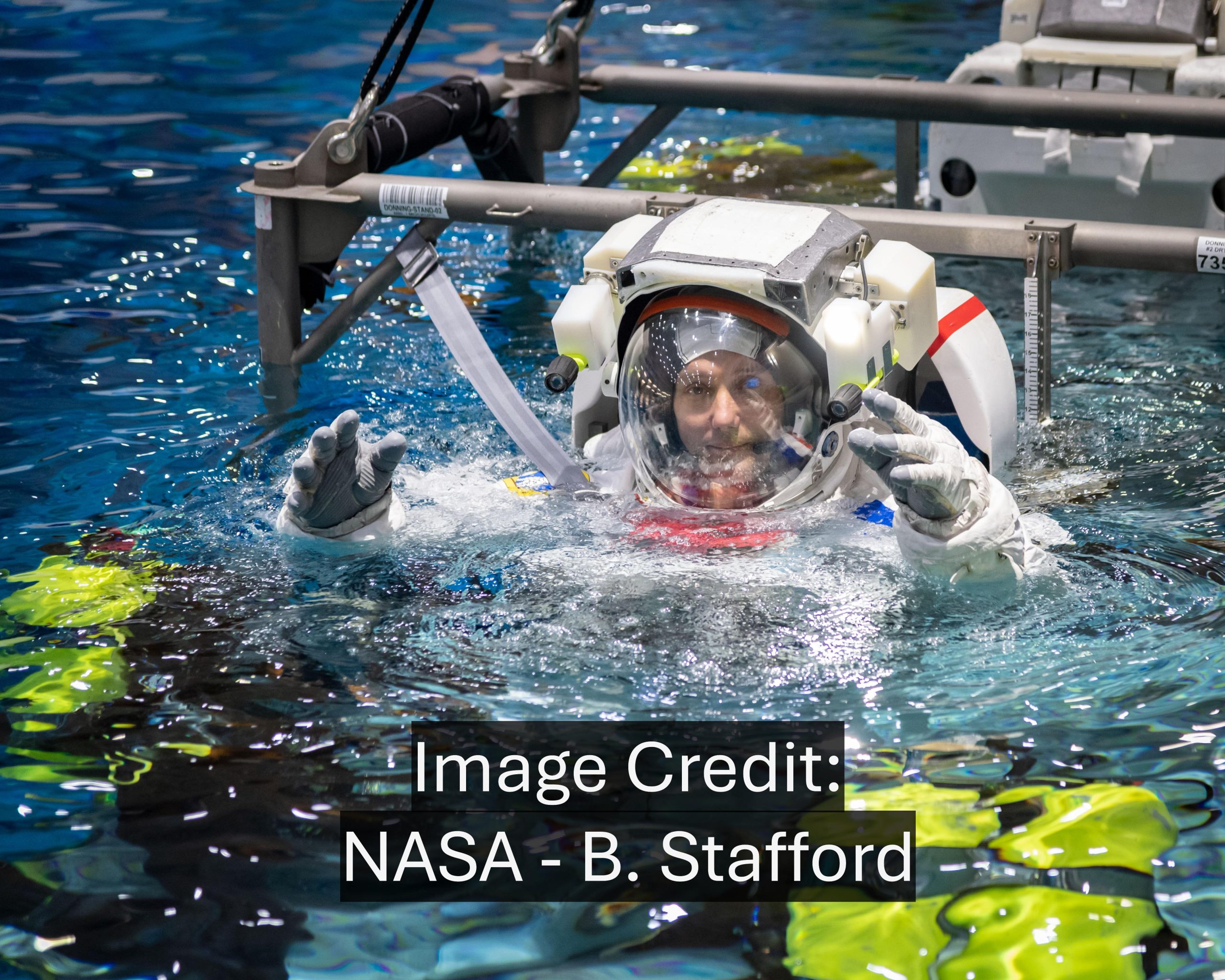
Votre mission: Effectuer un parcours immergé dans l’eau pour préparer pour votre future sortie extravéhiculaire. This resource was created by …
Your Mission: Explore the importance of hydration and identify the signs of dehydration. Since our bodies are made up of …

Your Mission: Perform the “bear crawl” and “crab walk” to increase muscular strength and improve upper and lower body coordination. …

Your Mission: Perform throwing and catching techniques on one foot to improve balance and spatial awareness. On Earth, we use …

Your Mission: Perform an activity that blends together squats, pushups, and jumping in the air (burpees) to promote muscular strength, …

Your Mission: Sample, grow, and investigate the micro-organisms around us and research their relationship with many of the products we …
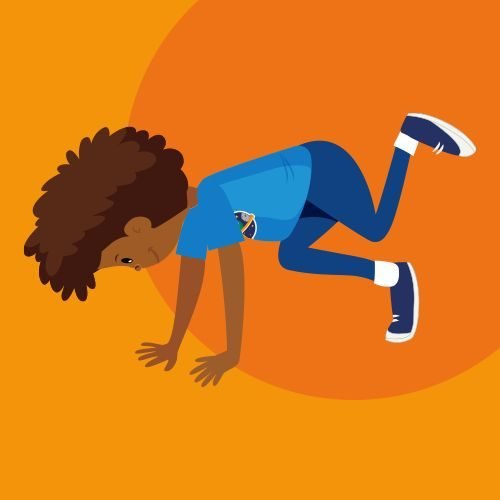
Your Mission: Perform a series of somersaults on the ground to improve body coordination, flexibility, balance and strengthen your back, …

Your Mission: Perform body-weight squats and push-ups to develop upper and lower body strength in muscles and bones. Astronauts must …
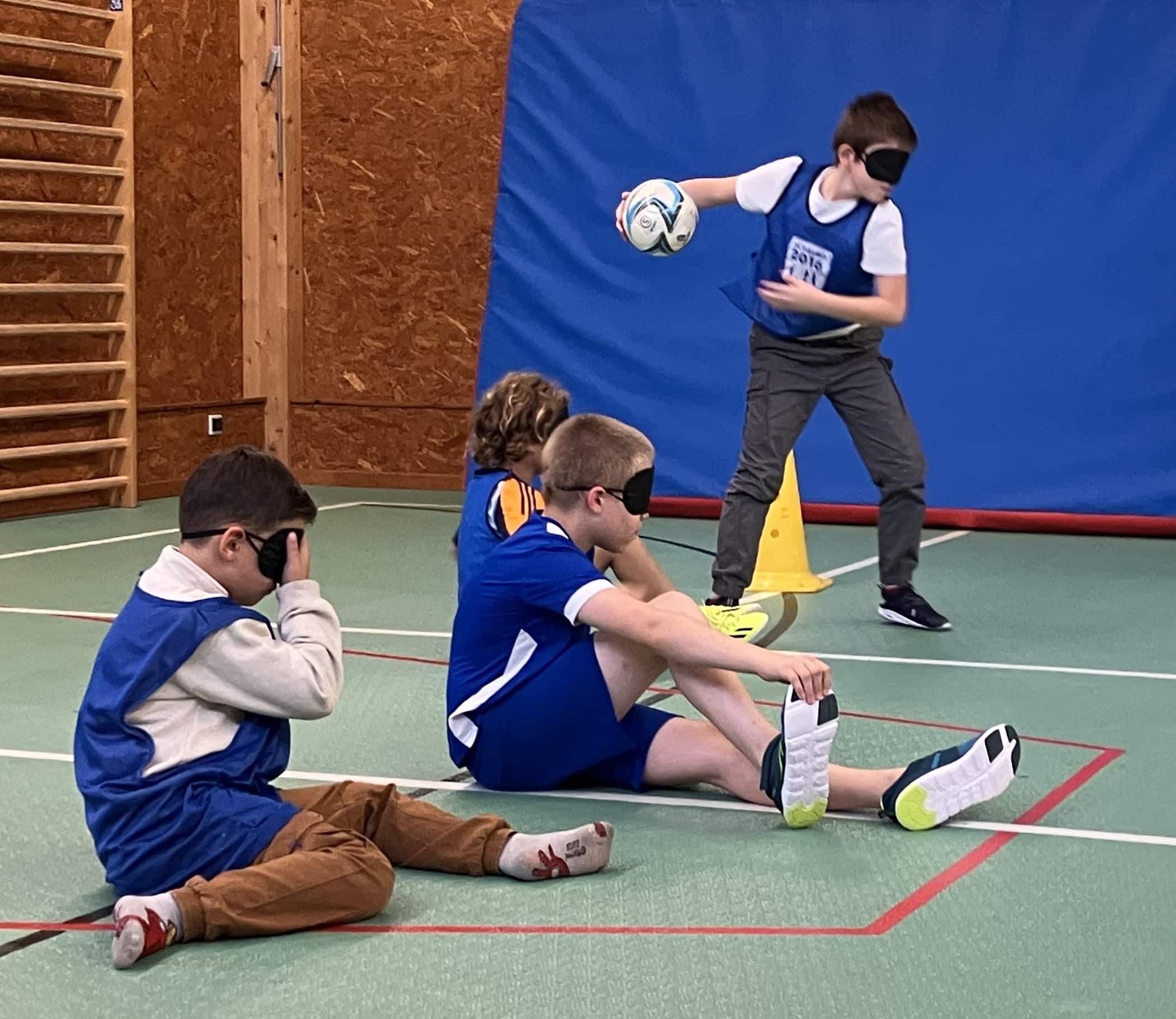
Your mission: Sharpen your senses to score the most goals and develop your reflexes. This resource was created by CNES, …