
Water in space
In this lesson, we will search for water in the universe. Water is important because without it, life as we know it would not be possible. We have plenty of liquid water on Earth, but the question is whether this is also the case elsewhere in our solar system.
Observing, Predict, Logical Reasoning

Your Mission: Measure different body parts and explore how these measurements might change in space. How tall are you? Are …

Your mission: Crate your own craters! This resource was created by Space Expo in collaboration with NSO, The Netherlands 2026 …
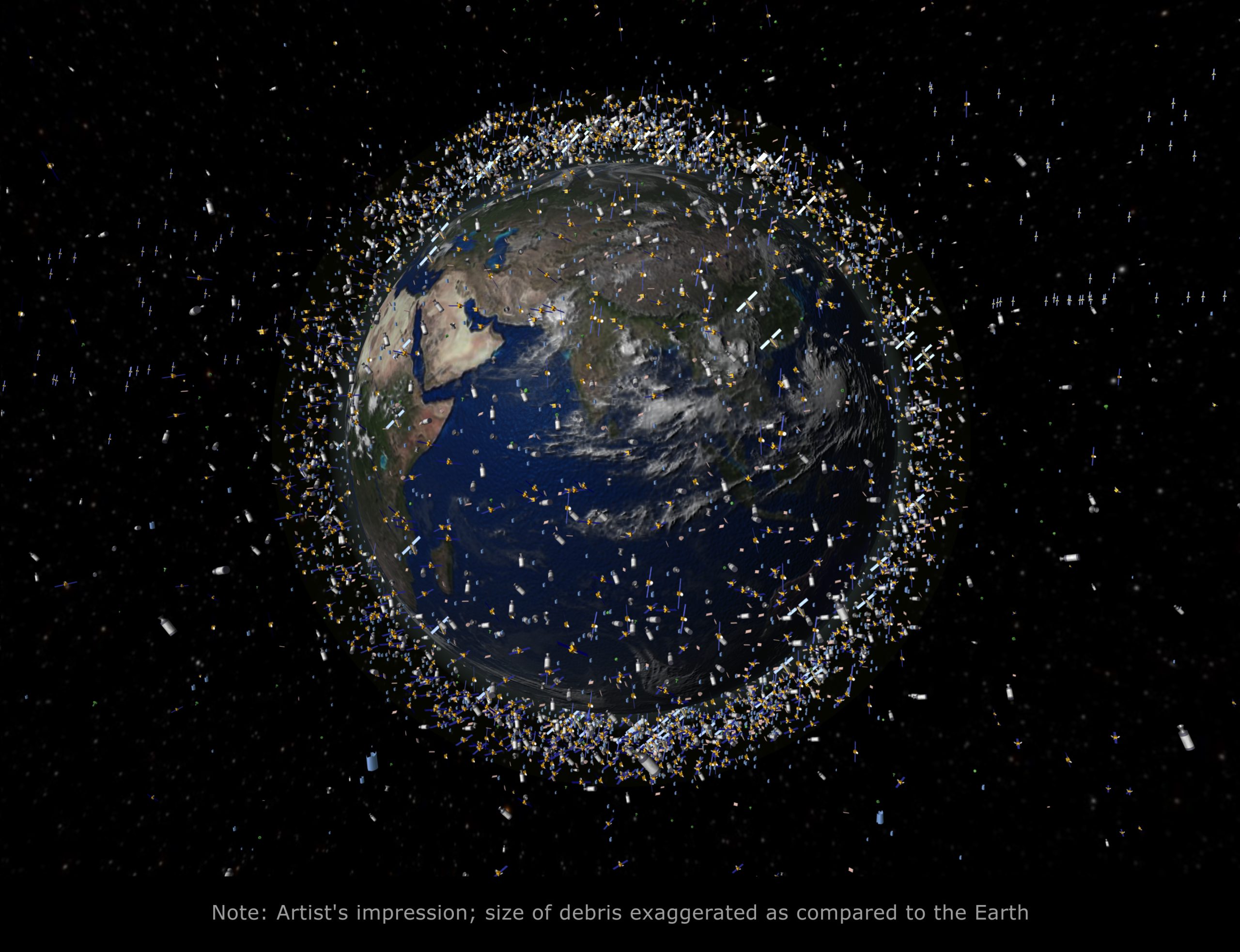
Your mission: Just like astronauts who sometimes have to avoid space debris, you will become aware of human-caused pollution in …

Your Mission: Perform a reaction time activity using a ruler to practice hand-eye coordination and concentration. In preparation for space …

Your Mission: Explore the importance of hydration and identify the signs of dehydration. Since our bodies are made up of …
Did you know that jumping might be a key activity in keeping astronauts healthy in space? Try some jump rope …

Your Mission: Carry weighted objects from the Exploration Area back to your Base Station to improve aerobic and anaerobic fitness. …
Your Mission: Perform an exercise with balls of different weights, as if you were in different gravitational conditions, to strengthen …
Venus is the most volcanic planet in our solar system and recent research suggests some of these volcanoes are still …

Your Mission: Investigate healthy food choices and Calorie needs for life on earth vs. life in space Astronauts living on …