
Water in space
In this lesson, we will search for water in the universe. Water is important because without it, life as we know it would not be possible. We have plenty of liquid water on Earth, but the question is whether this is also the case elsewhere in our solar system.
Observing, Predict, Logical Reasoning
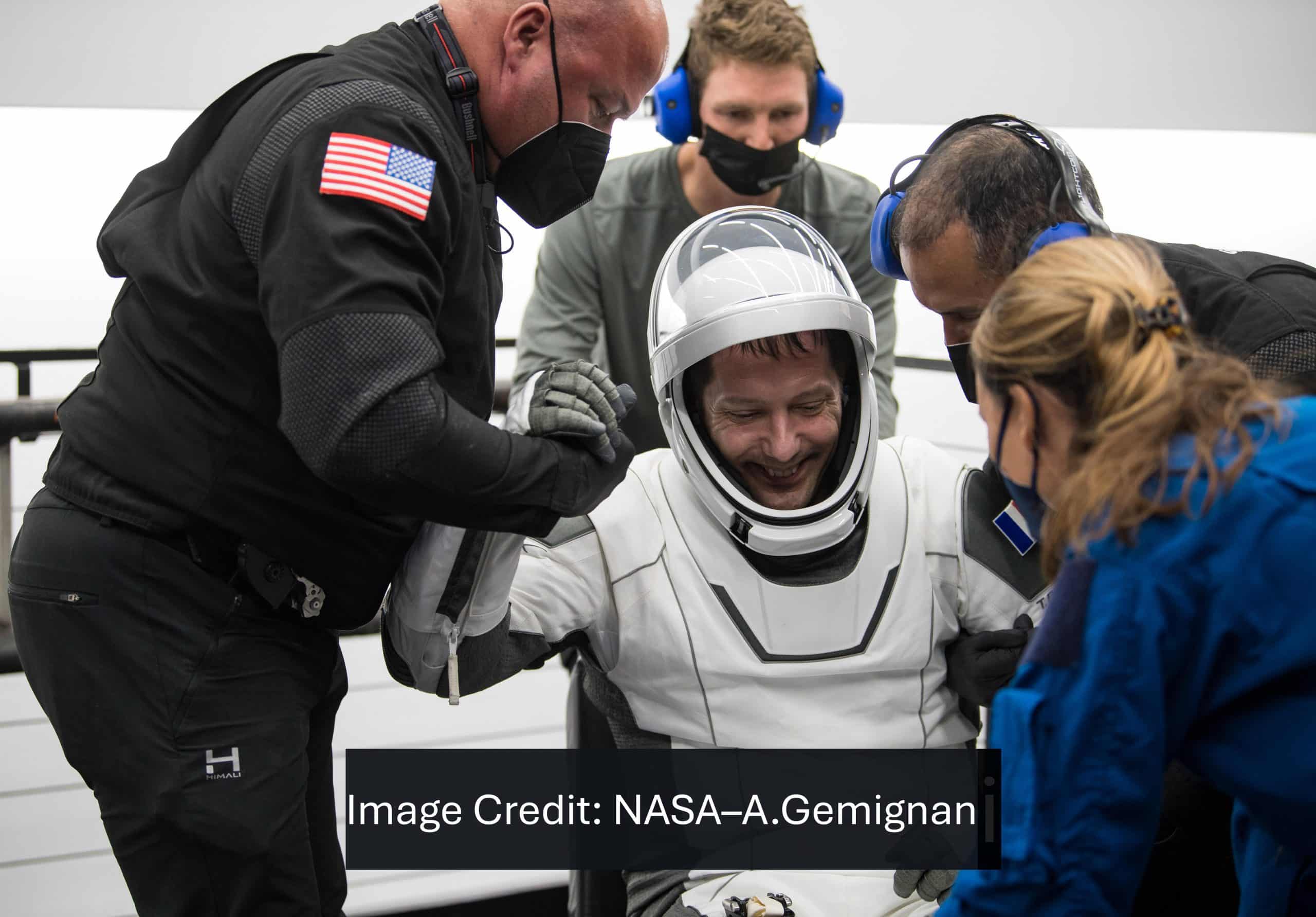
Your mission: Complete an obstacle course in a wheelchair to develop your coordination and endurance. This resource was created by …

Your Mission: Discover the fat content of a meal and formulate a balanced meal using fat content information. As astronauts …
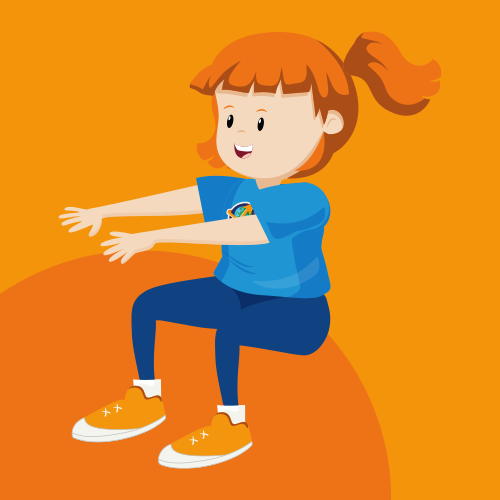
Your Mission: Perform body-weight squats and push-ups to develop upper and lower body strength in muscles and bones. Astronauts must …
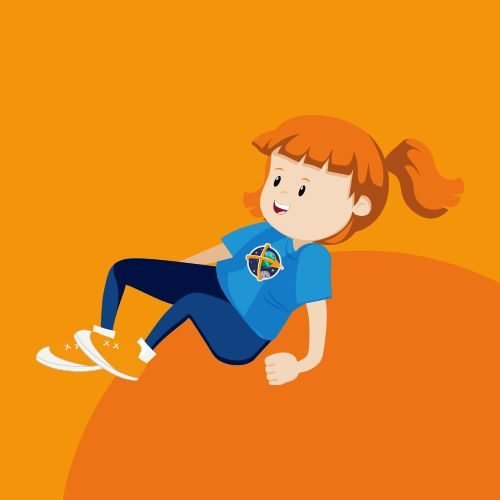
Your Mission: Perform the “bear crawl” and “crab walk” to increase muscular strength and improve upper and lower body coordination. …
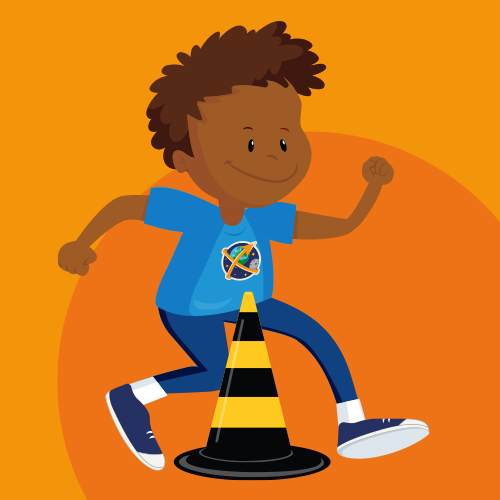
Your Mission: Complete an agility course as quickly and as accurately as possible to improve agility, coordination and speed. When …
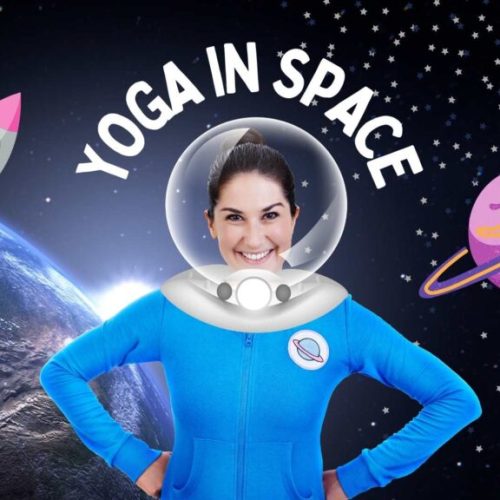
Join ESA astronaut, Samantha Cristoforetti and Jaime from Cosmic Kids on a brand new adventure… Yoga in Space! Follow along …
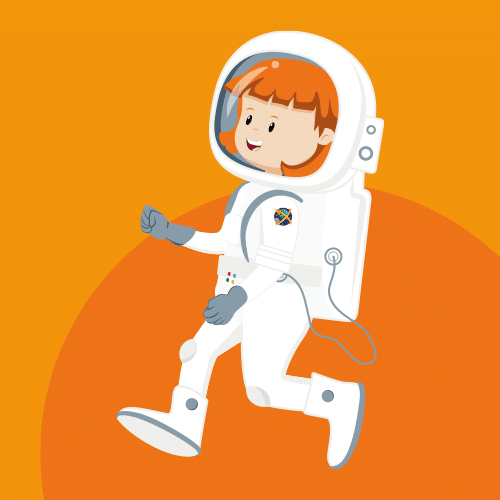
Your Mission Playing sports requires teamwork and preparation. Teammates must work together. In space, astronauts also must react to new …

Your Mission: Perform an activity that blends together squats, pushups, and jumping in the air (burpees) to promote muscular strength, …
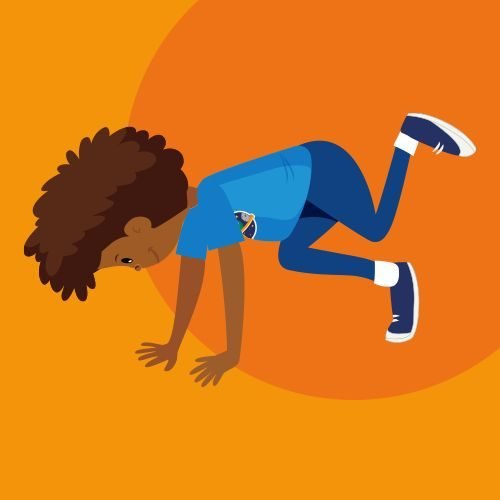
Your Mission: Perform a series of somersaults on the ground to improve body coordination, flexibility, balance and strengthen your back, …

Your Mission: Explore taste sensations on the tongue and experiment to see which senses influence taste. For astronauts, all their …