
Space rocks and impact craters
In this lesson, pupils discover what types of stones and rocks float around in space. We explain the difference between asteroids, meteoroids, meteors, meteorites and comets. These are similar, but slightly different.
The lesson ends with a brief explanation of how impact craters are formed and a fun experiment in which pupils make their own craters on a simulated planet or moon surface. They use various objects to create the impact craters.
Observing, Comparing, Drawing Conclusions
Venus is the most volcanic planet in our solar system and recent research suggests some of these volcanoes are still …
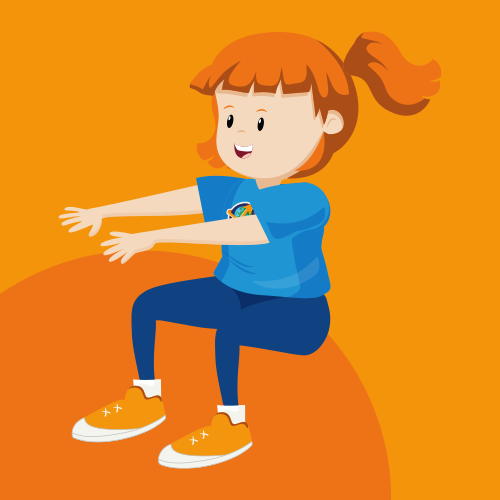
Your Mission: Perform body-weight squats and push-ups to develop upper and lower body strength in muscles and bones. Astronauts must …
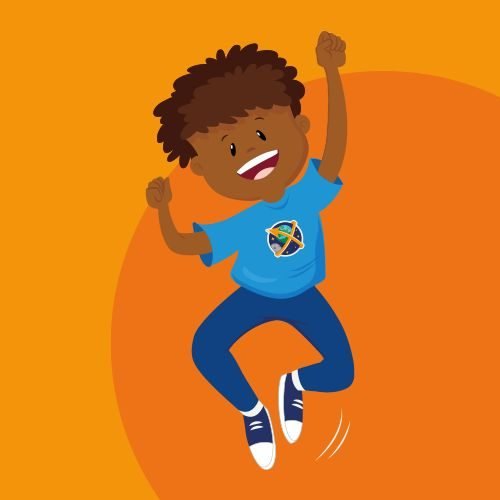
Your Mission: Perform an activity that blends together squats, pushups, and jumping in the air (burpees) to promote muscular strength, …
In microgravity, astronauts love to perform spectacular somersaults. Here on Earth it’s not so easy, but it certainly is fun! …
During a spacewalks, astronauts need some serious dexterity and hand-eye coordination to carefully complete tasks, all while wearing bulky gloves …
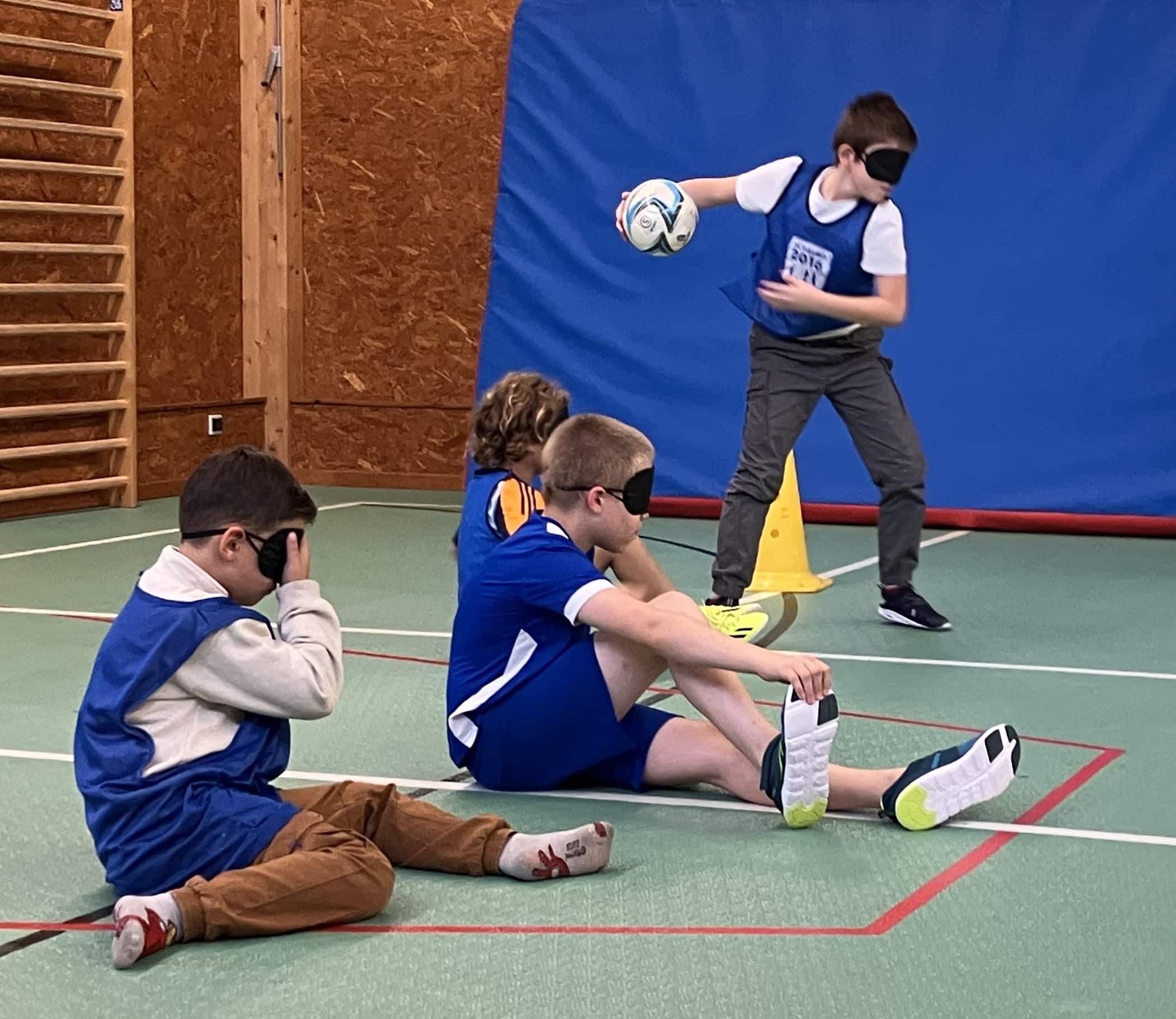
Your mission: Sharpen your senses to score the most goals and develop your reflexes. This resource was created by CNES, …
Your Mission: Observe and compare bones, and design bone models to investigate ways to keep bones healthy. Explorers need strong …
Time for a brain (and body) twisting game! Using your flexibility and agility, we want to see you navigate your …
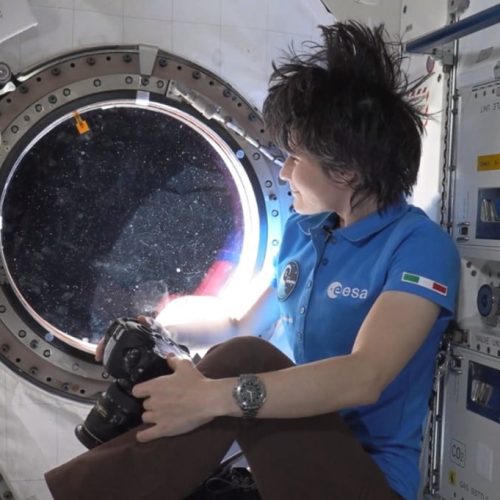
Your Mission: Follow Samantha’s routine on the ISS for one week and compare her daily tasks to yours. Observe your …
Your Mission: Follow the development of three plants for 12 weeks to explore germination and plant growth. If astronauts are …