
Space rocks and impact craters
In this lesson, pupils discover what types of stones and rocks float around in space. We explain the difference between asteroids, meteoroids, meteors, meteorites and comets. These are similar, but slightly different.
The lesson ends with a brief explanation of how impact craters are formed and a fun experiment in which pupils make their own craters on a simulated planet or moon surface. They use various objects to create the impact craters.
Observing, Comparing, Drawing Conclusions
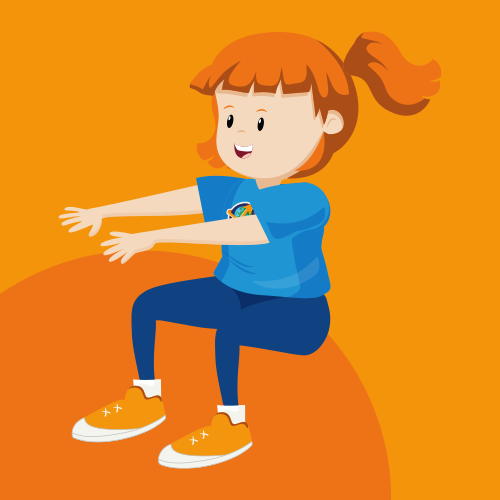
Your Mission: Perform body-weight squats and push-ups to develop upper and lower body strength in muscles and bones. Astronauts must …
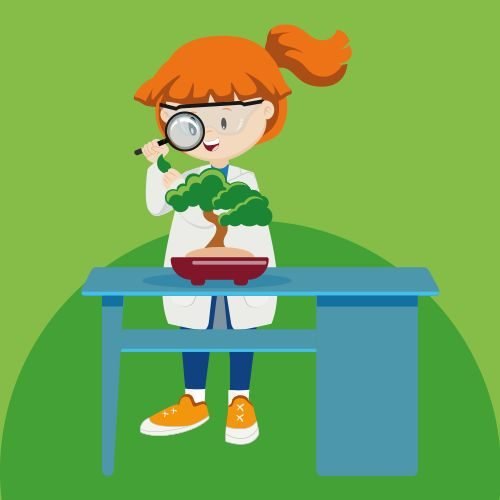
Your Mission: Identify which plants are suitable for growing in space as a good source of nutrition for astronauts. Food …
Your MissionAccumulate a total of 42 km (26.2 mi) as a team, an individual or as a family… it is …
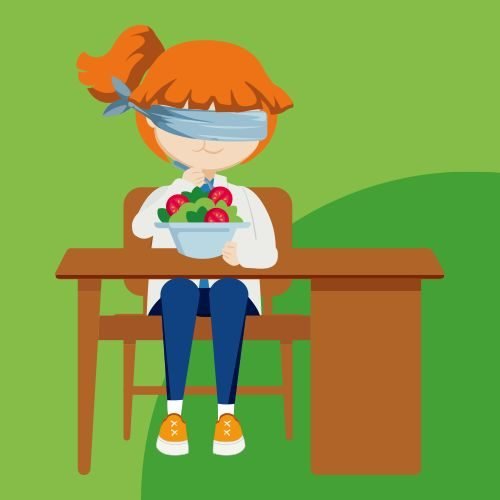
Your Mission: Explore taste sensations on the tongue and experiment to see which senses influence taste. For astronauts, all their …
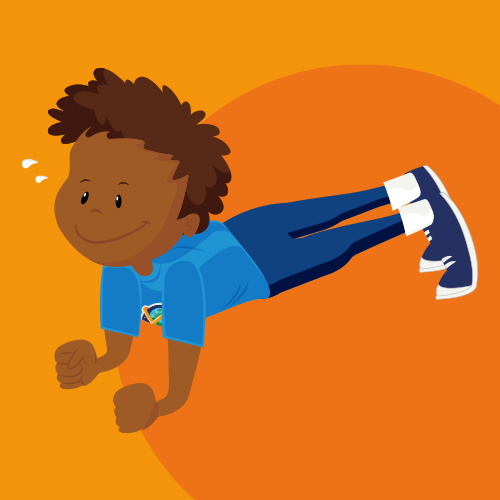
Your Mission: Perform the Commander Crunch and Pilot Plank to improve the strength in abdominal and back muscles. Astronauts in …
You have just had a great day of exploring the Moon, but it’s time to head back to the base …
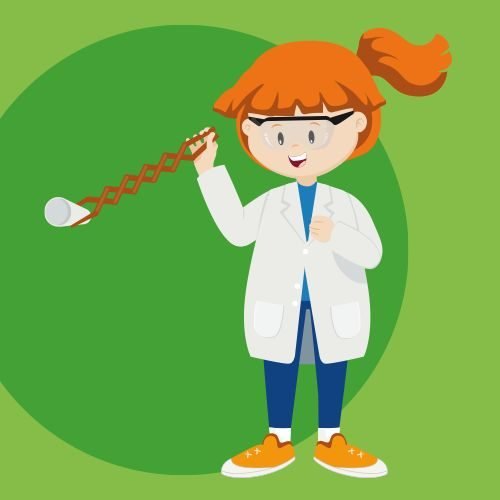
Your Mission: Design and build a robotic arm to perform some simple tasks. To help out in space, scientists have …
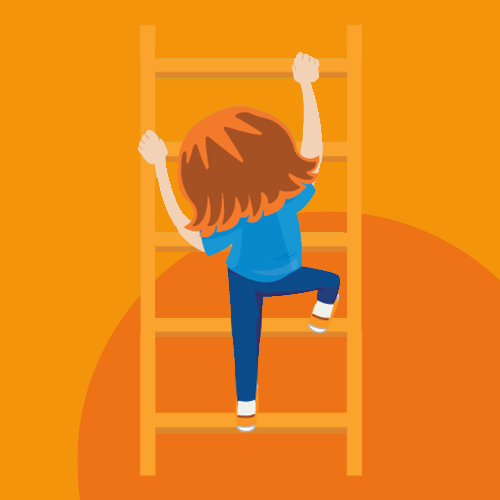
Your Mission: Perform a climb training activity on wall bars or a rock wall to improve balance and coordination, and …
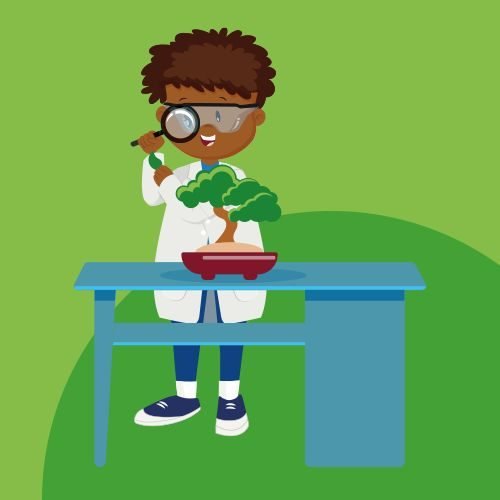
Your Mission: Follow the development of three plants for 12 weeks to explore germination and plant growth. If astronauts are …
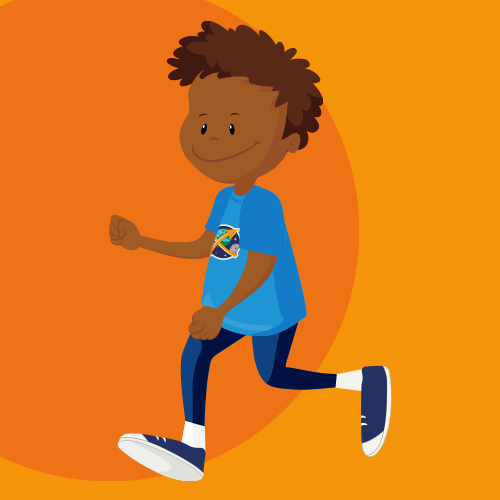
Your Mission: Perform a walk, progressing to 1600m to improve lung, heart, and other muscle endurance. When exploring space, astronauts …
 EN
EN  CZ
CZ  DA
DA  NL
NL  ET
ET  FI
FI  FR
FR  DE
DE  EL
EL  IT
IT  JA
JA  LV
LV  NO
NO  PL
PL  PT
PT  RO
RO  ES
ES  SV
SV  HU
HU  SL
SL  TR
TR