
Microbial Box 1

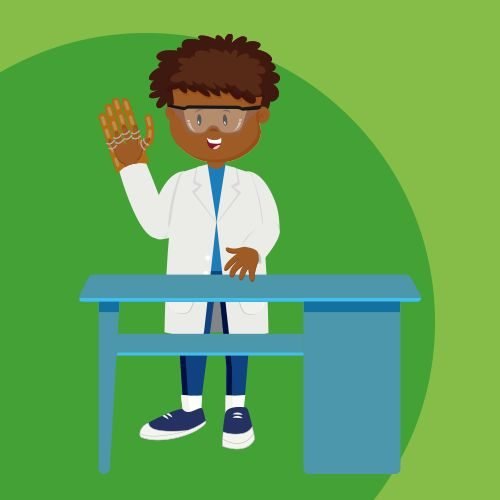
Your Mission: Explore the anatomy of the hand and build a bionic hand from cardboard. In a near future, it …
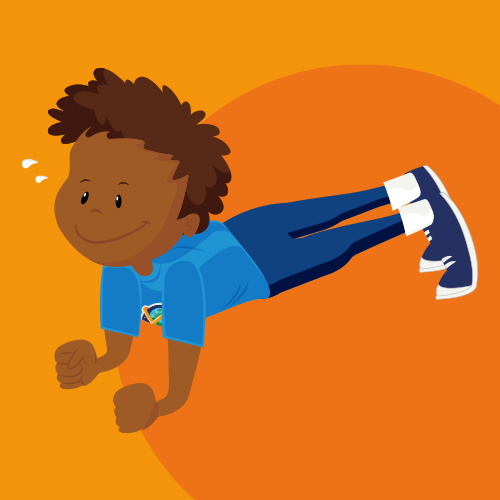
Your Mission: Perform the Commander Crunch and Pilot Plank to improve the strength in abdominal and back muscles. Astronauts in …
Venus is the most volcanic planet in our solar system and recent research suggests some of these volcanoes are still …
Your Mission Playing sports requires teamwork and preparation. Teammates must work together. In space, astronauts also must react to new …
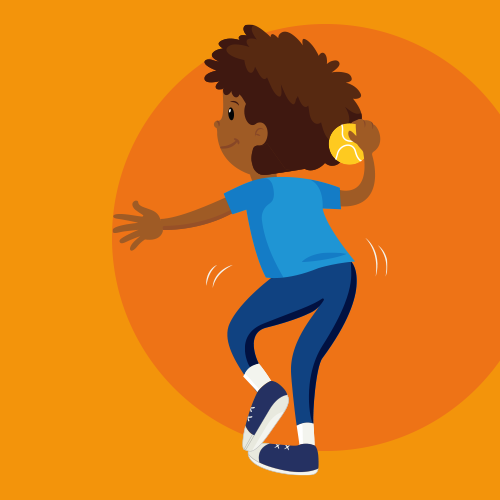
Your Mission: Perform throwing and catching techniques on one foot to improve balance and spatial awareness. On Earth, we use …
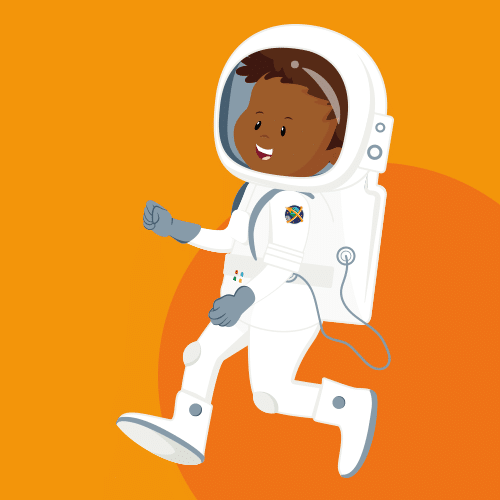
Astronauts need brains and brawn! Using your coordination, endurance and quick thinking, perform five jumping jacks, with a star-jump finish, …
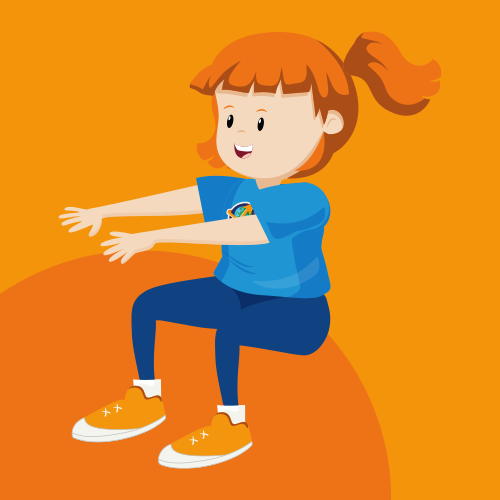
Your Mission: Perform body-weight squats and push-ups to develop upper and lower body strength in muscles and bones. Astronauts must …
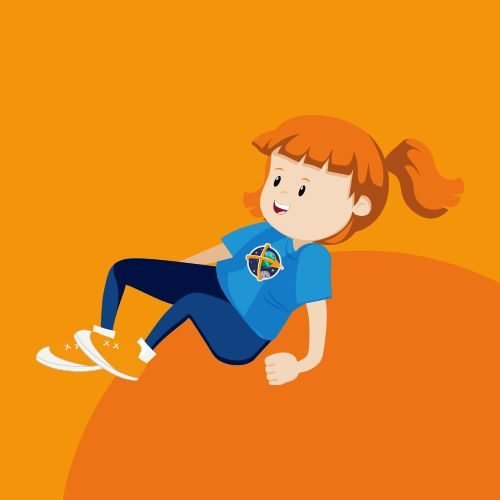
Your Mission: Perform the “bear crawl” and “crab walk” to increase muscular strength and improve upper and lower body coordination. …
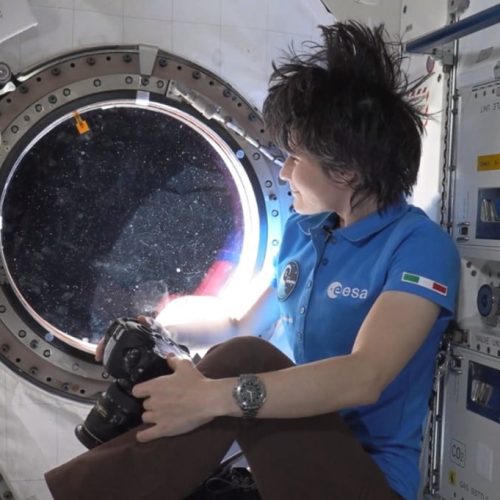
Your Mission: Follow Samantha’s routine on the ISS for one week and compare her daily tasks to yours. Observe your …
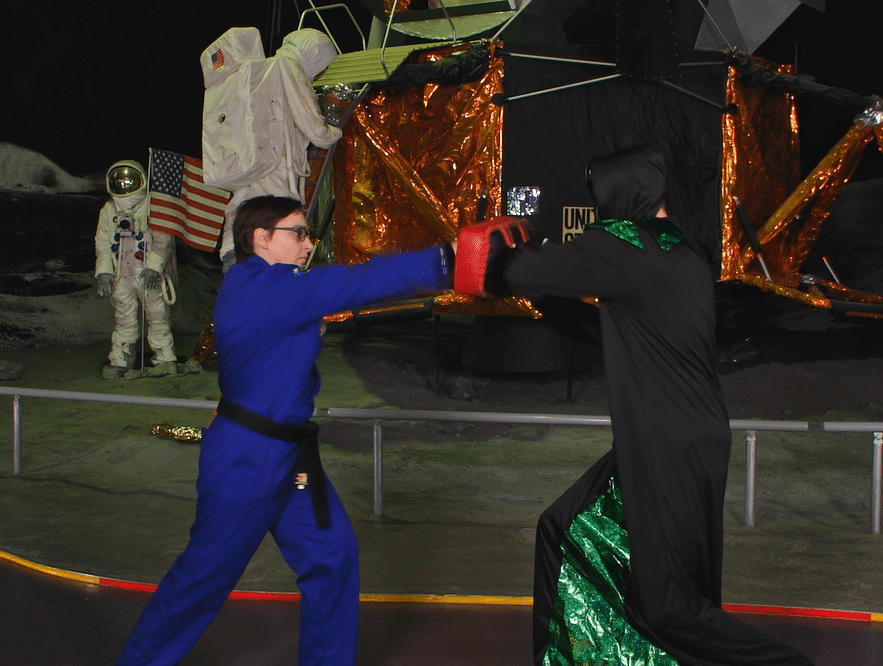
Your mission: Learn the basics of martial arts (karate) to defend yourself against simple attacks and, in case of emergency, …