
Water in space
In this lesson, we will search for water in the universe. Water is important because without it, life as we know it would not be possible. We have plenty of liquid water on Earth, but the question is whether this is also the case elsewhere in our solar system.
Observing, Predict, Logical Reasoning
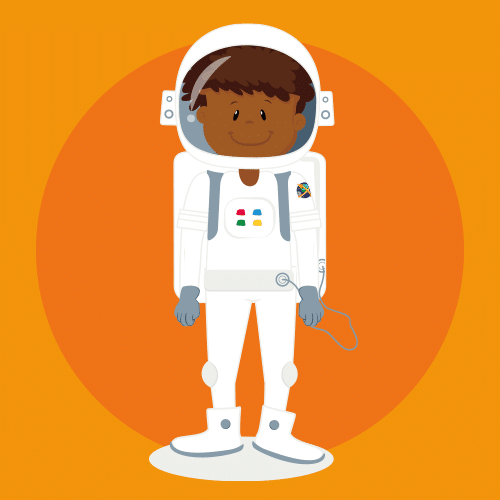
In microgravity, astronauts love to perform spectacular somersaults. Here on Earth it’s not so easy, but it certainly is fun! …
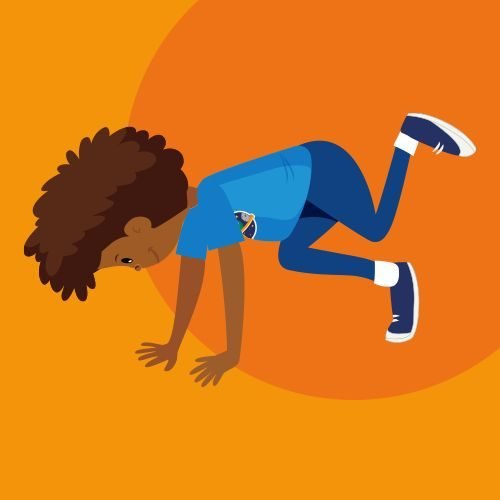
Your Mission: Perform a series of somersaults on the ground to improve body coordination, flexibility, balance and strengthen your back, …

Your Mission: Explore the anatomy of the hand and build a bionic hand from cardboard. In a near future, it …

Your Mission: Perform throwing and catching techniques on one foot to improve balance and spatial awareness. On Earth, we use …
Your Mission: Perform an exercise with balls of different weights, as if you were in different gravitational conditions, to strengthen …
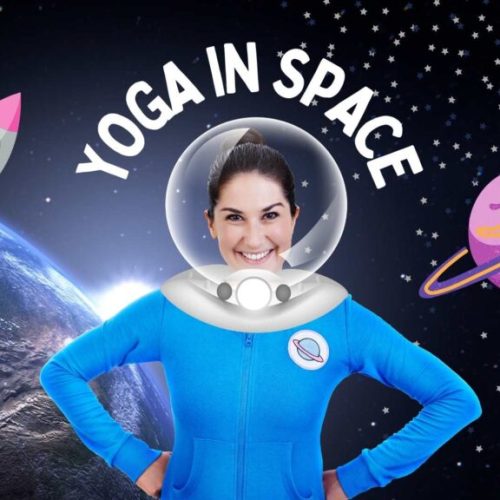
Join ESA astronaut, Samantha Cristoforetti and Jaime from Cosmic Kids on a brand new adventure… Yoga in Space! Follow along …
Let’s HIIT the space gym and get ready to sweat! To keep those hearts and lungs healthy, perform a series …
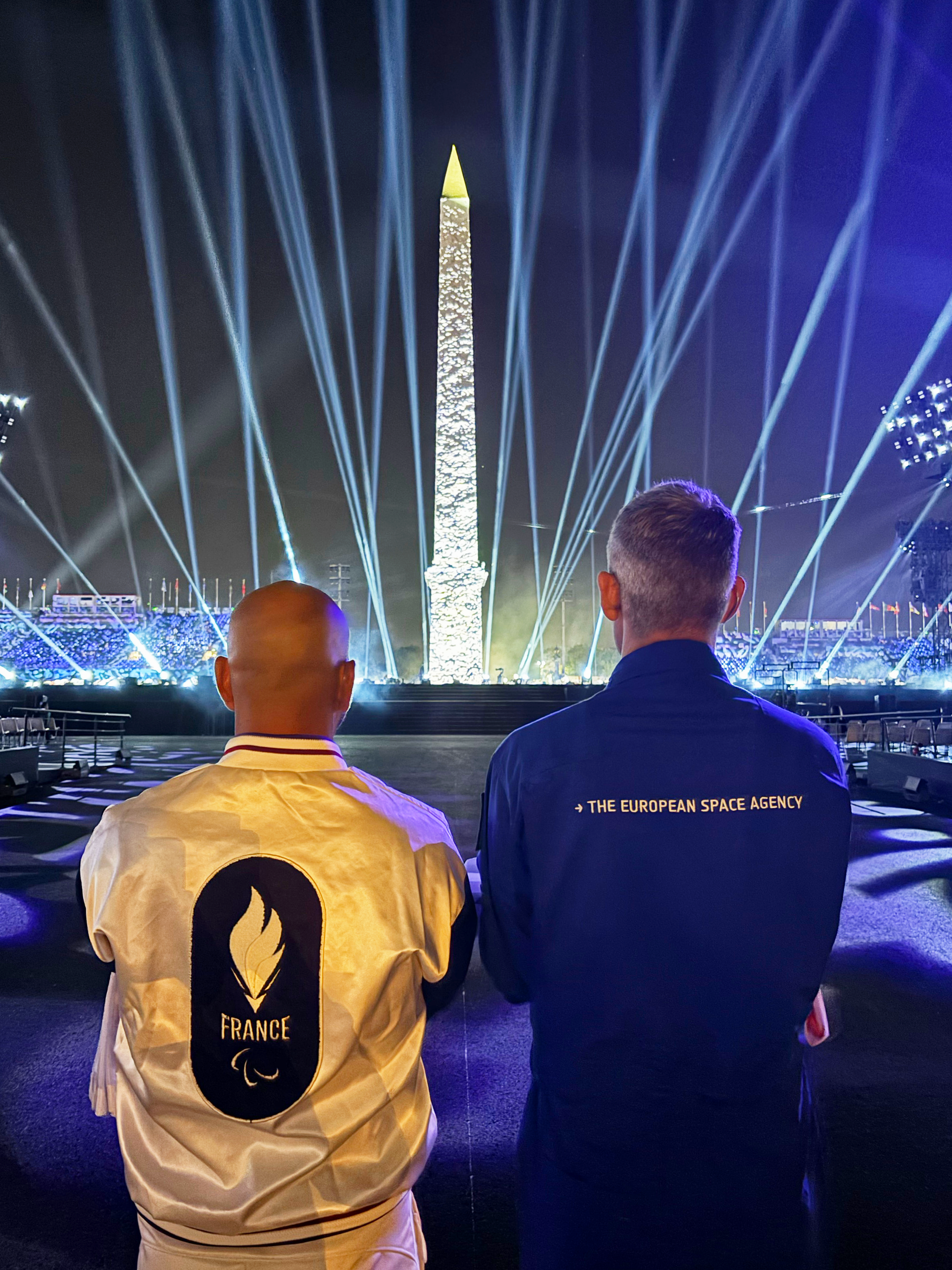
Your mission: Perform a course immersed in water using only your arms to prepare for your future extravehicular activity! This …

Your Mission: Discover the fat content of a meal and formulate a balanced meal using fat content information. As astronauts …

Your Mission: Explore the importance of hydration and identify the signs of dehydration. Since our bodies are made up of …